

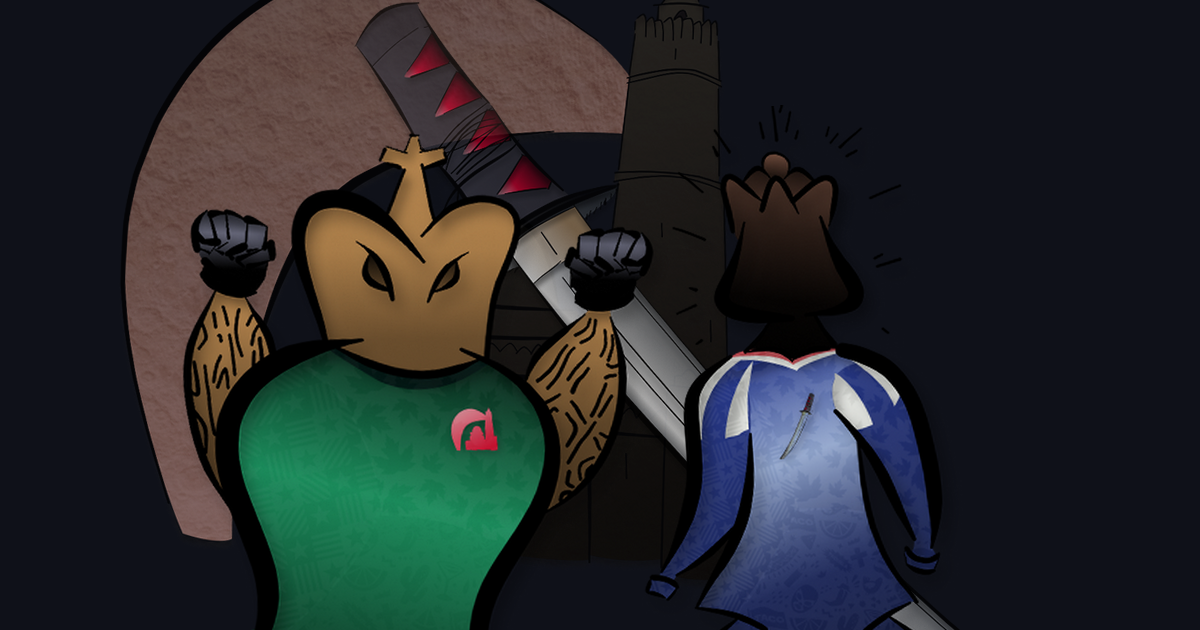
Renard's Tunisia Face Japan's Pressing Machine in Monterrey


Tunisia's World Cup campaign has already been marked by turbulence. The sacking of Sabri Lamouchi after a heavy opening defeat to Sweden and the appointment of Herve Renard a coach who knows African football intimately from his AFCON triumphs with Zambia and Ivory Coast has injected urgency into the camp. Ellyes Skhiri's midfield authority, Hannibal Mejbri's youthful creativity, and the experienced Omar Marmoush in attack give Renard quality to work with, but time to implement his ideas is painfully short.
Japan, by contrast, arrive in serene form. Hajime Moriyasu's side stunned the world in 2022 with group-stage victories over Germany and Spain, and they have only improved since. Takefusa Kubo's dribbling, Ritsu Doan's direct running, and Daizen Maeda's relentless pressing create a high-intensity attacking approach that has troubled Europe's best. The defensive foundation of Takehiro Tomiyasu and Ko Itakura provides the solidity to support the team's aggressive style.
Takefusa Kubo's dribbling, Ritsu Doan's direct running, and Daizen Maeda's relentless pressing create a high-intensity attacking approach that has troubled Europe's best.
Estadio BBVA in Monterrey's Guadalupe district offers one of Mexico's most modern venues. The modest altitude of 540 metres and the evening kickoff will provide some respite from the summer heat. Group F also features the Netherlands and Sweden, making this a must-win fixture for Tunisia if they are to rescue their campaign after the opening defeat.
The coaching mismatch is significant. Moriyasu has had years to build Japan's identity, while Renard has had days. Yet Renard's track record of galvanising African teams at major tournaments is unmatched, and his mere presence may be enough to restore the belief that Lamouchi's reign eroded. For Tunisia, this is a match that will define whether their World Cup is a story of collapse or resilience.
