
Since 1930
Griot
A living archive of every edition, every team, every story.
1930
Uruguay '30
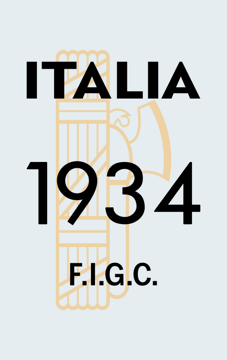
1934
Italy '34
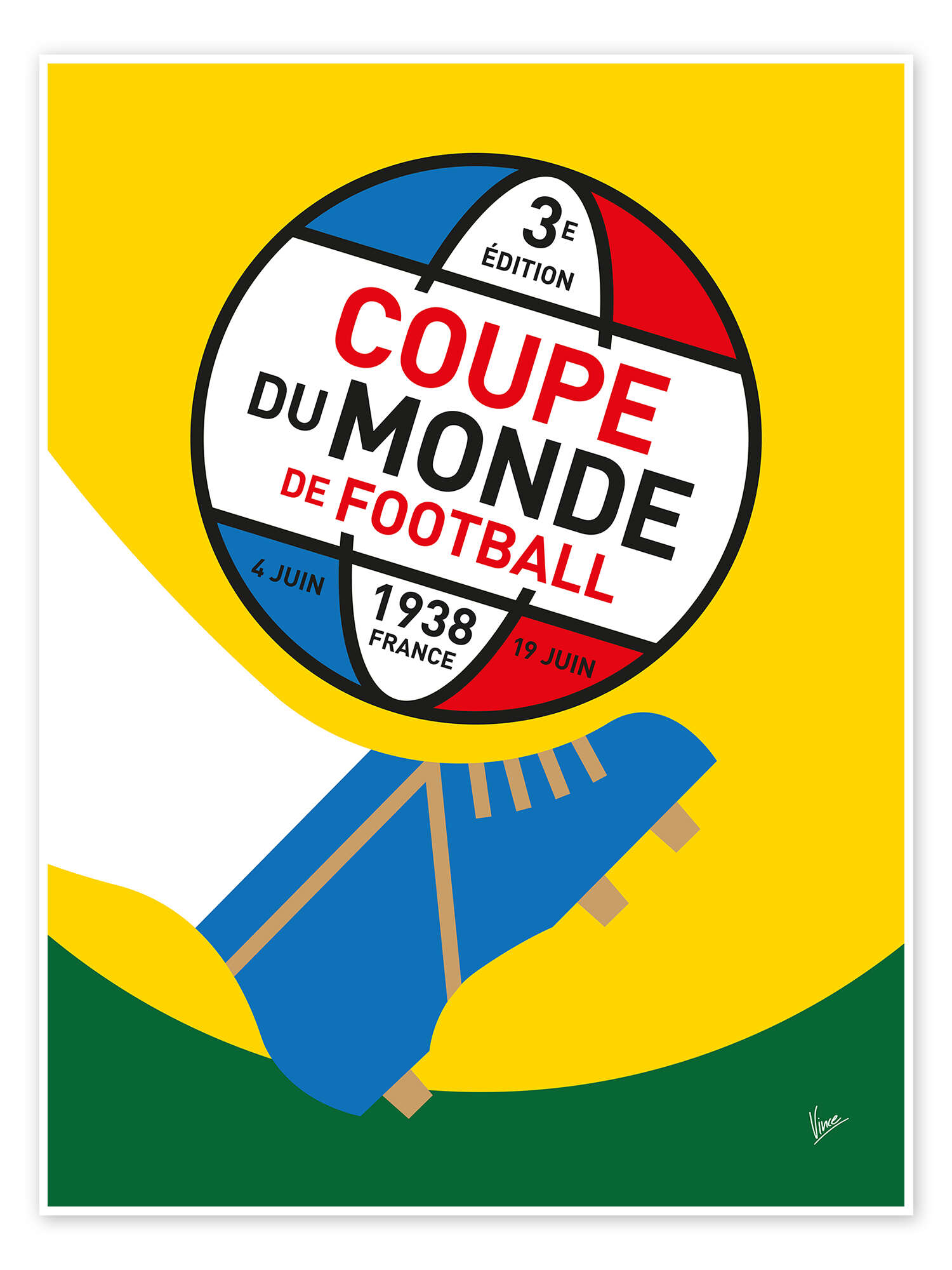
1938
France '38
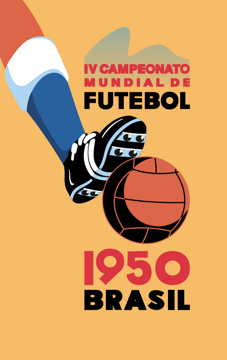
1950
Brazil '50
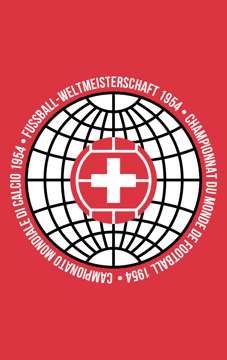
1954
Switzerland '54
1958
Sweden '58
1962
Chile '62
1966
England '66
1970
Mexico '70
1974
West Germany '74
1978
Argentina '78
1982
Spain '82
1986
Mexico '86
1990
Italy '90
1994
United States '94
1998
France '98
2002
Korea Japan '02
2006
Germany '06
2010
South Africa '10
2014
Brazil '14
2018
Russia '18
2022
Qatar '22
2026
USA Canada Mexico '26
0
Editions
1930 – 2026
0
Matches
played on the big stage
0
Nations
to ever walk out at a finals
One object, every nation's dream
The Cup

One object, every nation's dream

A shared ritual in a fractured world
Rimet 1930-1970Gazzaniga 1974-present8 champions

In 1929, a French sculptor named Abel Lafleur cast a small winged figure in gold and called it Victory. It was an improbable idea: that nations who had been at war a decade earlier would agree to settle something on a football pitch instead. The trophy survived the Second World War hidden in a shoebox under the bed of an Italian FA official because even in the worst of times, someone thought the promise it represented was worth protecting. Renamed for Jules Rimet, the FIFA president who willed the tournament into existence, it was stolen twice and retired to Brazil in 1970. Silvio Gazzaniga's replacement two figures holding up the earth, 6 kg of 18-karat gold has been lifted by eight different nations since. No country keeps it. The winner holds it only until the next tournament begins, then gives it back. That may be the most important thing about it: it belongs to everyone and no one.

Since 1930
0 matches

played across 23 editions.

When a country opens its doors to the world
The Hosts

When a country opens its doors to the world

The politics of invitation
22 host nations6 continents1st African host 2010

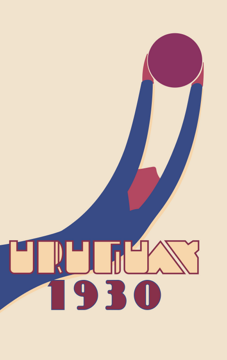
To host a World Cup is to tell the planet who you think you are. Uruguay in 1930 used it to celebrate a centenary of independence a young republic declaring itself through sport. Mussolini's Italy in 1934 turned it into propaganda, orchestrating results and broadcast. Mexico in 1970 became the first tournament the whole world watched in color, and the country's image shifted overnight from political upheaval to carnival. Argentina's military junta hosted in 1978 while dissidents disappeared blocks from the stadiums. South Africa in 2010 was the first African host the vuvuzela summer, Mandela in a cold stadium, a continent saying: we belong here too. Korea and Japan in 2002 proved a World Cup could bridge two nations with centuries of tension. Qatar in 2022 forced a global conversation about labour, wealth, and who gets to define football culture. Every host rewrites its own story. Not all rewrites are honest but all of them are revealing.

All time
0 goals

scored on World Cup pitches.

Built for a month, remembered for a century
The Cathedrals

Built for a month, remembered for a century

What nations build when the world is watching
Maracanã 200KAzteca 3 WCs16 venues in 2026

The Estadio Centenario opened mid-tournament in 1930, finished late because of Montevideo's winter rain a country of two million people building a monument to prove it could stand among giants. The Maracanã rose in 1950 with room for 200,000, the largest stadium ever built, because Brazil believed the world needed to see what it was capable of. Then Uruguay won the final there, and the silence of 199,854 people became the loudest sound in football history. Estadio Azteca hosted two finals across sixteen years and in 2026 becomes the only venue to welcome three different World Cups a cathedral that outlasts the eras. Soccer City's calabash shell in Johannesburg was designed to look like an African cooking pot: nourishment, gathering, home. These are not just stadiums. They are the architecture of how a nation wants to be seen.

Nations
0 flags

have walked out at a finals.

When a player becomes a country
The Legends

When a player becomes a country

The weight of a shirt
Pelé 3 titlesZidane — France '98Messi — Qatar '22

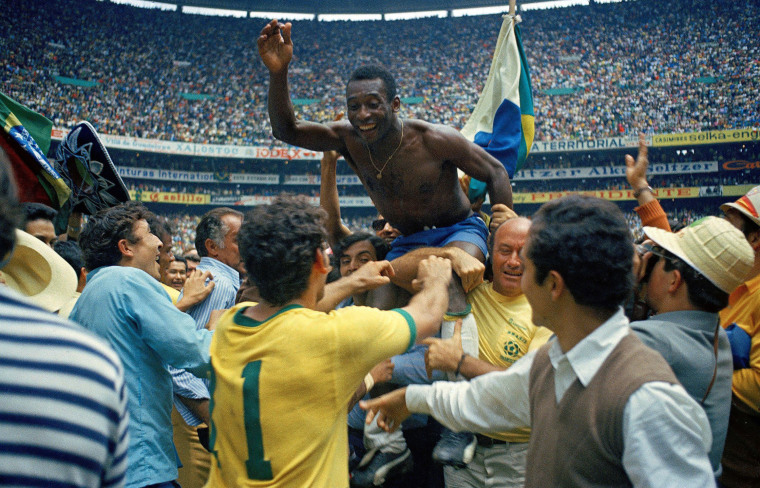
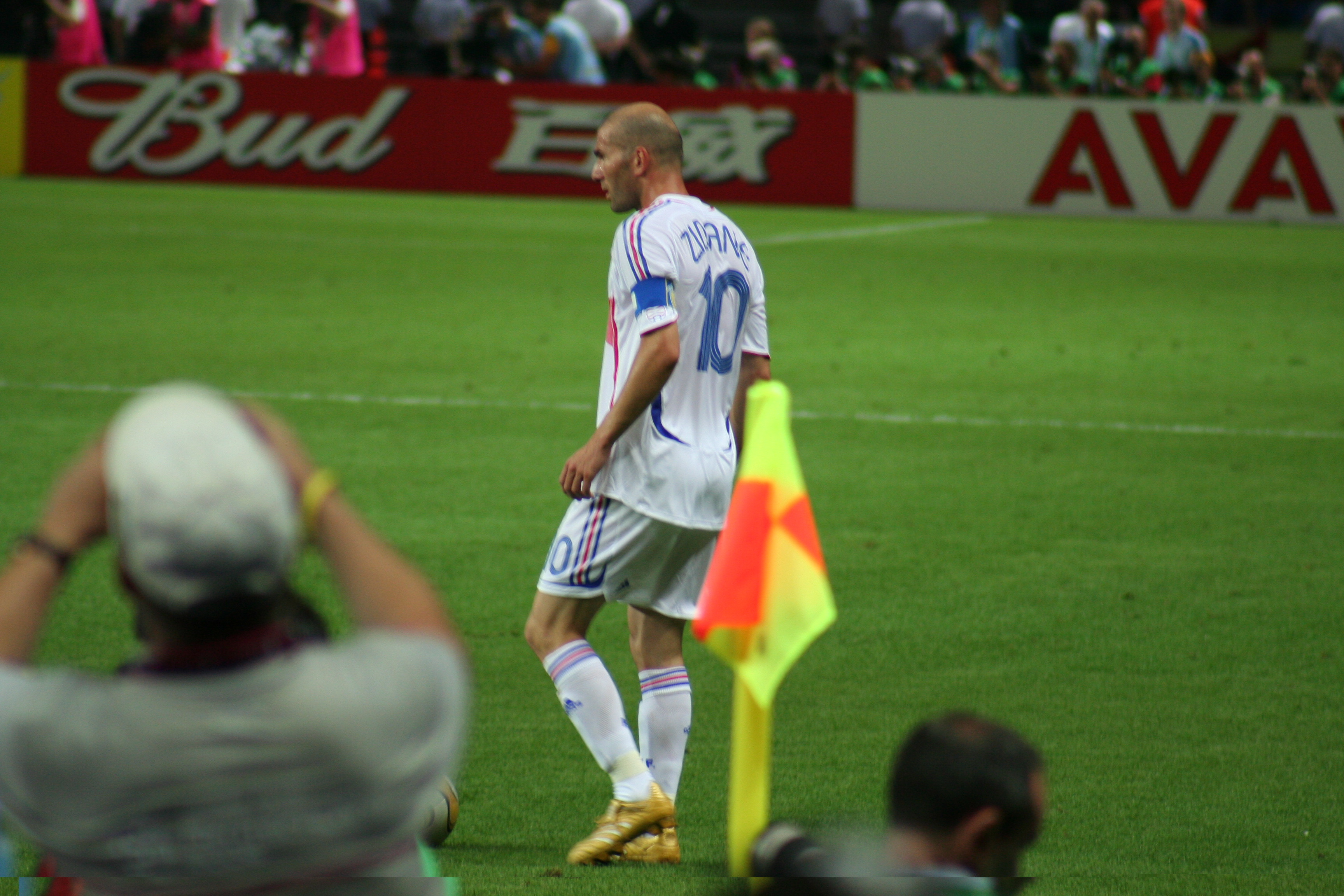
Pelé was seventeen when he won his first World Cup in 1958. By the time he lifted his third in 1970, he was no longer just a footballer he was Brazil's most powerful cultural export, more recognized than any president or diplomat. Johan Cruyff refused to attend 1978 in Argentina, a protest against the military regime that most of the world chose to ignore. His absence said more than most nations' presence. Diego Maradona's two goals against England in 1986 one with the hand, one with a 50-metre dribble came four years after the Falklands War. In Buenos Aires, they were not just goals. They were answered prayers. Zinedine Zidane, son of Algerian immigrants, scored twice in the 1998 final in Paris and became the face of a France that was learning to see itself as multiracial. Lionel Messi carried a nation's anxiety for two decades before Qatar 2022 finally let him set it down and in 2026, at 39, he passed Klose as the World Cup's leading scorer in June and walked off the MetLife pitch in July a beaten finalist, the record already taken from him by Mbappé. These players don't just represent countries. For brief, enormous moments, they are the country every hope and wound compressed into one body on a pitch.

You play the way you are
The Identity

You play the way you are

How nations see themselves through football
Jogo bonito — 1970Tiki-taka — 2010Catenaccio — 1982

Brazil's 1970 side didn't just win they played with a joy so radical it redefined what football could look like. Jogo bonito was never a tactic; it was a philosophy, the idea that beauty is itself a form of victory. Germany's 1954 triumph in Bern, and every title since, was built on Ordnung: discipline, structure, the machine that never stops running a self-image that suited a country rebuilding itself from rubble. By 2014, that machine scored five goals in eighteen minutes against the host nation. Spain won the 2010 final with more than 600 passes. Tiki-taka was the football expression of a generation that had grown up in democracy and wanted to prove that patience and collaboration could beat force. Sixteen years later they won again with the same idea pushed to its logical end one goal conceded in eight matches, and a final in which Argentina did not manage a single shot in ninety minutes. You cannot lose the ball if you never give it away. Italy's catenaccio carried them through 1982 and 2006 defensive pragmatism elevated to art by a nation that survived centuries of invasion by learning when to lock the door. Cameroon shocking Argentina in the 1990 opener, Senegal beating France in 2002, South Korea's run to the semi-finals that same year African and Asian teams didn't just arrive at the World Cup, they brought different ideas about space, rhythm, and joy that shattered European tactical certainty. The World Cup is where these philosophies collide. Every match is a conversation between two ways of seeing the world.

When ninety minutes rewrite a nation's story
The Moments

When ninety minutes rewrite a nation's story

The freeze-frames that changed how countries see themselves
Maracanazo 1950Miracle of Bern 1954MetLife 2026

The Maracanazo in 1950 did not just decide a football tournament. Brazil had printed newspapers celebrating the title before the final whistle. When Uruguay scored, the silence that followed reshaped Brazilian national identity for decades a wound so deep the country designed new kit colors to forget it. West Germany's 1954 Miracle of Bern gave a country in rubble its first post-war moment of collective joy. Historians call it the true founding of the Federal Republic not a constitution, but a football match. Maradona's quarter-final against England in 1986 Hand of God and Goal of the Century in the same afternoon was sport and geopolitics fused into twelve minutes that Argentina and England will argue about forever. Iniesta's 116th-minute goal in 2010 gave Spain its first title. He lifted his shirt to reveal a tribute to a friend who had died and the whole world read it. Germany 7, Brazil 1 in 2014's semi-final became a national trauma broadcast live to the host nation. Five goals in eighteen minutes. An entire country watching itself come apart. And in 2026, the quietest decisive moment of them all: Ferran Torres turning in Nico Williams' header in the 106th minute at MetLife, the only goal of a final the defending champions had gone through regulation without shooting in. Spain's second star, and the first time one nation held the men's and women's World Cups at the same time.

What the tournament reveals by who is missing
The Absences

What the tournament reveals by who is missing

Boycotts, bans, and the politics of exclusion
South Africa banned 1961-1992African boycott 1966Yugoslavia expelled 1992

The World Cup's history is also written by those who weren't there. South Africa was banned from FIFA for thirty years because of apartheid excluded not for lack of talent, but because the world decided that racial segregation was incompatible with a tournament built on the idea that all nations are equal on the pitch. In 1966, the entire African confederation boycotted qualifying after FIFA offered the continent just one combined slot with Asia and Oceania. The message was clear: if you won't take us seriously, we won't come. Yugoslavia was expelled from the 1992 European Championship mid-qualification as war consumed the Balkans the team that would have played together scattered into five future nations. British teams refused to enter until 1950, believing they had nothing to prove. They lost 1-0 to the United States in their first match. Every absence is a statement. Some are protests. Some are punishments. All of them remind us that football has never existed outside of politics and the World Cup has never pretended otherwise.

The moment the whole planet watches the same thing
The Audience

The moment the whole planet watches the same thing

From radio static to 1.5 billion screens
1970 first color broadcast1.5B watched 2022 final6.8M in stadiums, 2026

In 1930, results arrived by telegram. In 1950, radio carried the Maracanazo into living rooms across South America, and grown men wept listening to static. Mexico 1970 was the first World Cup broadcast live in color and suddenly the yellow of Brazil's shirts, the green of the pitch, the faces of Pelé and Jairzinho were not descriptions but images, shared simultaneously across continents. By Italia 1990, the tournament was the most-watched event in human history, surpassing the Olympics. In 2022, an estimated 1.5 billion people watched the final between Argentina and France the single largest shared experience our species has ever produced. Four years later, 48 teams and 104 matches drew 6.8 million people into stadiums across three countries, breaking a record the United States had held since 1994. Entire countries shut down for ninety minutes. Diaspora communities gather around screens in cities their national teams will never visit. For one month every four years, the World Cup does something almost nothing else can: it gives the planet a common story to follow, argue about, and remember together.

Shared memories scored in real time
The Goals

Shared memories scored in real time

From Fontaine's radio static to Mbappé's billion screens
Fontaine 13 in 1958Carlos Alberto 1970Mbappé's 2nd Golden Boot

Just Fontaine scored 13 goals at Sweden 1958, a record that has stood for seven decades. Most of the world learned about them the next morning in a newspaper. Carlos Alberto's team-move finish in 1970 the ball touched by nine Brazilians before a right-back arrived at the far post was the first transcendent World Cup goal that the planet actually saw happen. Color television turned it into a painting. Maradona's run past six England players in 1986 was replayed so many times it stopped belonging to one match and became a universal reference point for human capability. When Iniesta scored in extra time of the 2010 final, the camera found his dead friend's name on the shirt underneath. A billion people read it at once. Kylian Mbappé's hat-trick in a losing 2022 final was the first in a World Cup final since Geoff Hurst in 1966, fifty-six years apart. In 2026 he scored ten more a second straight Golden Boot, which no man had ever won twice in a row, and enough to pass Messi and Klose as the World Cup's leading scorer across all editions. Fontaine's 13 in a single tournament still stands. France went out in the semi-final. Goals are how the World Cup writes itself into collective memory. Each one is a timestamp and the whole world was watching when the clock stopped.

5 4 4 3 2 2 2 1 8 CHAMPION NATIONS
This site uses cookies and localStorage for authentication, preferences, and gameplay. No third-party tracking. Privacy Policy