

1930
Uruguay '30
1934
Italy '34
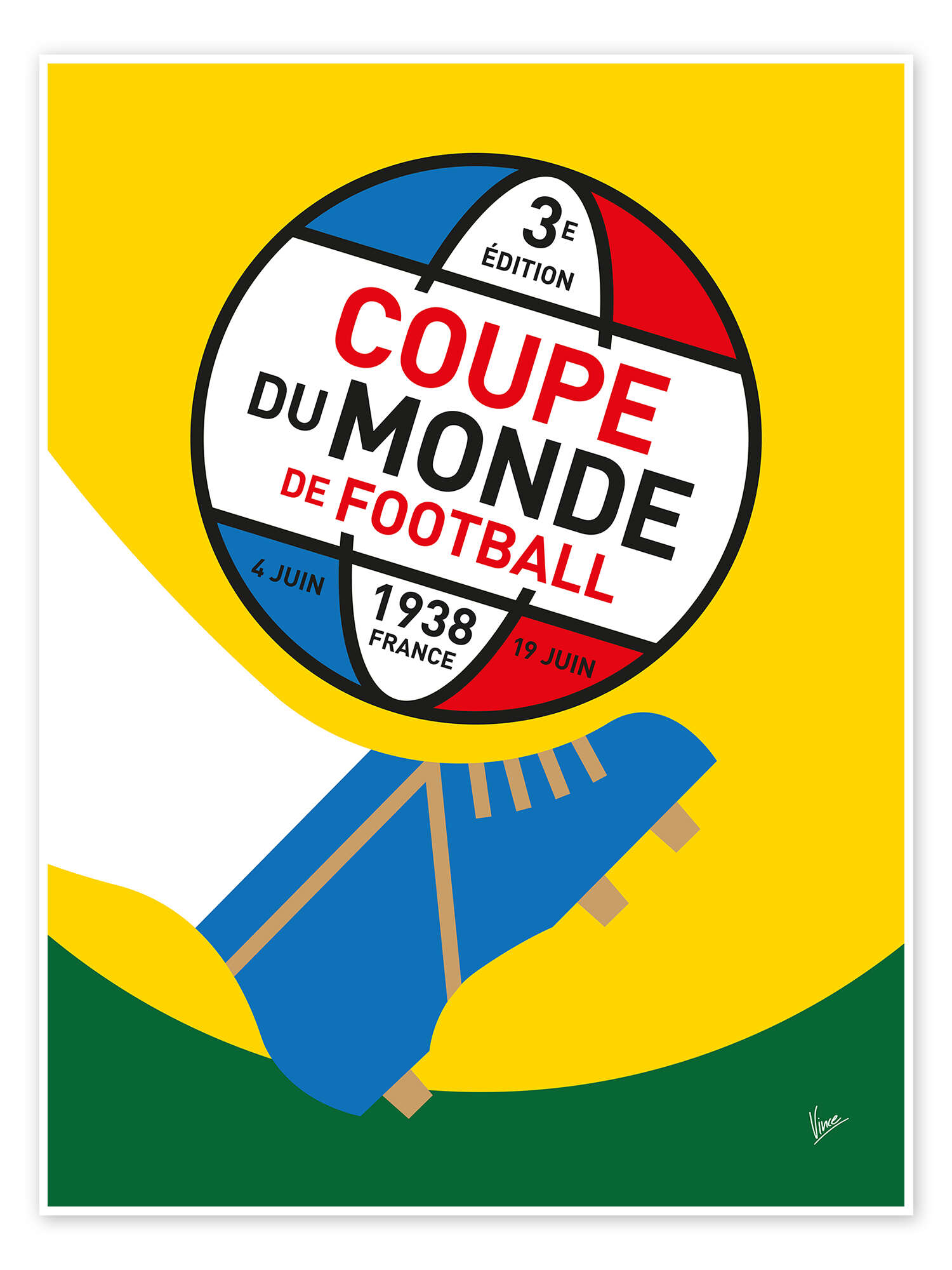
1938
France '38
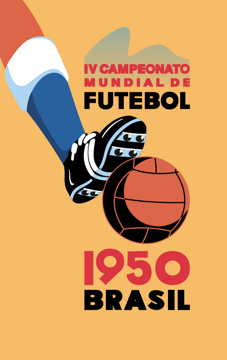
1950
Brazil '50
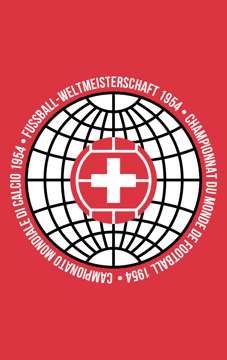
1954
Switzerland '54
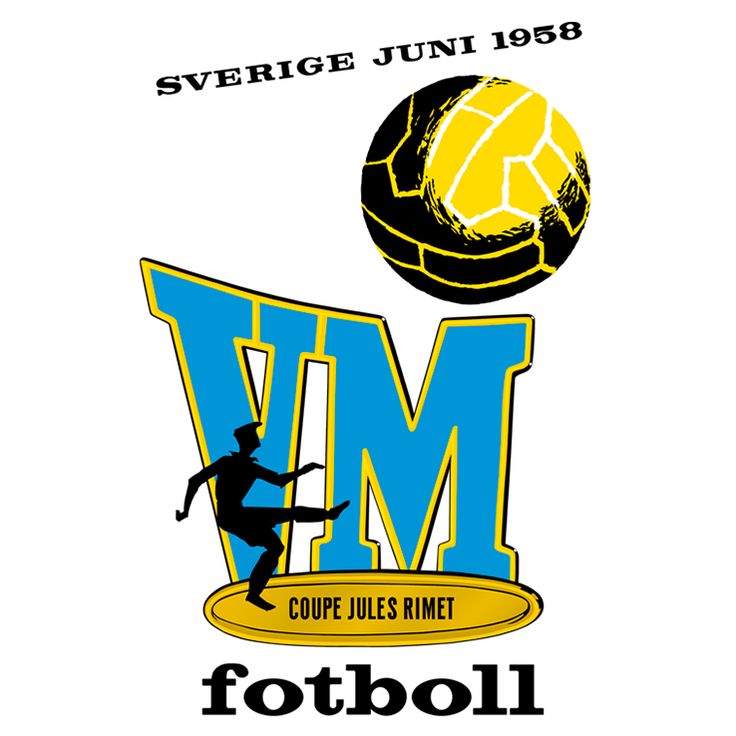
1958
Sweden '58
1962
Chile '62
1966
England '66
1970
Mexico '70
1974
West Germany '74
1978
Argentina '78
1982
Spain '82
1986
Mexico '86
1990
Italy '90
1994
United States '94
1998
France '98
2002
Korea Japan '02
2006
Germany '06
2010
South Africa '10
2014
Brazil '14
2018
Russia '18
2022
Qatar '22
2026
USA Canada Mexico '26
1966
England · 1966
FIFA World Cup
11 Jul – 30 Jul 1966 32 matches England '66
👟︎ Golden Boot
Eusébio
PRT Portugal
⚽︎ Golden Ball
Bobby Charlton
ENG England
🧤︎ Golden Glove
Gordon Banks
ENG England
ENG Champion

England win on home soil

The Campaign

Alf Ramsey had predicted England would win the World Cup, and his Wingless Wonders a 4-4-2 without traditional wingers proved him right. They did not concede a goal until the semifinal. Bobby Charlton's driving runs, Bobby Moore's imperious defending, and Gordon Banks's goalkeeping formed the spine of a team built on collective discipline.

The Final

West Germany equalised in the last minute of normal time. In extra time, Geoff Hurst's shot hit the crossbar and bounced down the linesman ruled it had crossed the line. England 3-2. Then, in the final seconds, Hurst completed his hat-trick with a thundering strike, Kenneth Wolstenholme's commentary 'Some people are on the pitch, they think it's all over... it is now!' becoming the most famous words in English football.


4-2 final (aet)Hurst's hat-trickThe ghost goal
FRG Runner-up

West Germany push England to the limit

The Journey

West Germany were strong and organised under Helmut Schön. Beckenbauer, at 20, was emerging as a generational talent. Uwe Seeler led the line with experience and aerial power. They beat Uruguay, the Soviet Union, and showed resilience throughout. Reaching the final as a young, evolving squad was a sign of things to come.

The Heartbreak

Weber's equaliser in the last minute forced extra time. Then came Hurst's second goal the ball hitting the crossbar and bouncing down. The linesman said it crossed the line. Sixty years of analysis say it probably didn't. West Germany fought on but Hurst's third sealed a 4-2 defeat. They would carry the injustice of that decision for decades and use it as motivation for the future.

Equalised in 89th minGhost goal controversyBeckenbauer at 20
Top Scorers
1 PRT Eusébio 9
2 FRG Helmut Haller 6
3 FRG Franz Beckenbauer 4
3 ENG Geoff Hurst 4
3 HUN Ferenc Bene 4
3 SUN Valeriy Porkujan 4
Golden Boot
Eusébio

Eusébio's nine goals included four in a quarter-final comeback from 3-0 down against North Korea. His power, pace, and thunderous shooting made him the tournament's most exciting presence. Hurst's hat-trick in the final was the individual performance that decided the title. Beckenbauer scored four in his World Cup debut.

The World in 1966

Football was coming home

Football

England, the country that had codified the laws of the game, was hosting for the first time and seeking its first World Cup title. North Korea had qualified, an almost unthinkable proposition. Portugal's Eusébio, from Mozambique, was the most exciting talent in the world.

The World

Swinging London was the cultural capital of the world: the Beatles, the miniskirt, a city reinventing itself. Before the tournament began, the Jules Rimet trophy was stolen from an exhibition and found by a dog named Pickles in a south London garden.

Swinging LondonPickles the dogNorth Korea qualified
The Venues

The home of football

Preparation

England's established football culture meant world-class stadiums were already in place. Wembley Stadium, the Empire Stadium built in 1923, was the natural choice for the final. The FA selected eight venues across England, from London to the northeast, including Goodison Park, Old Trafford, and Hillsborough.

The Venues

Wembley, with its twin towers and 96,000 capacity, was the centrepiece. Goodison Park in Liverpool hosted several group matches and a semi-final. Old Trafford in Manchester and Hillsborough in Sheffield were established league grounds. Ayresome Park in Middlesbrough and Roker Park in Sunderland brought the tournament to the northeast.

8 venuesWembley 96,000Old Trafford
England 1966
England 1966
0 matches

Played across 14 teams

24Group3QF1SF13rd

The Host Cities

England's football heartlands

The Cities

London, Liverpool, Manchester, Sheffield, Sunderland, Middlesbrough, and Birmingham hosted matches. London's Wembley was the centrepiece, but the northern industrial cities provided passionate, knowledgeable crowds. Teams were based at country house hotels and trained at English league club grounds. The short distances between cities made travel straightforward, and the English rail and motorway network handled the logistics efficiently.

Impact

The tournament brought significant tourism revenue to cities beyond London, particularly Liverpool and Manchester. Television coverage introduced the seven host cities to a global audience. The World Cup accelerated the commercialisation of English football and helped establish the sport as a major economic force. Wembley's status as football's most famous venue was cemented. The cultural impact of the victory shaped English national identity for decades.

7 host citiesNorthern heartlandsWembley cemented
Slazenger Challenge
On the pitch
0 goals

2.78per match

Match Ball
Slazenger Challenge

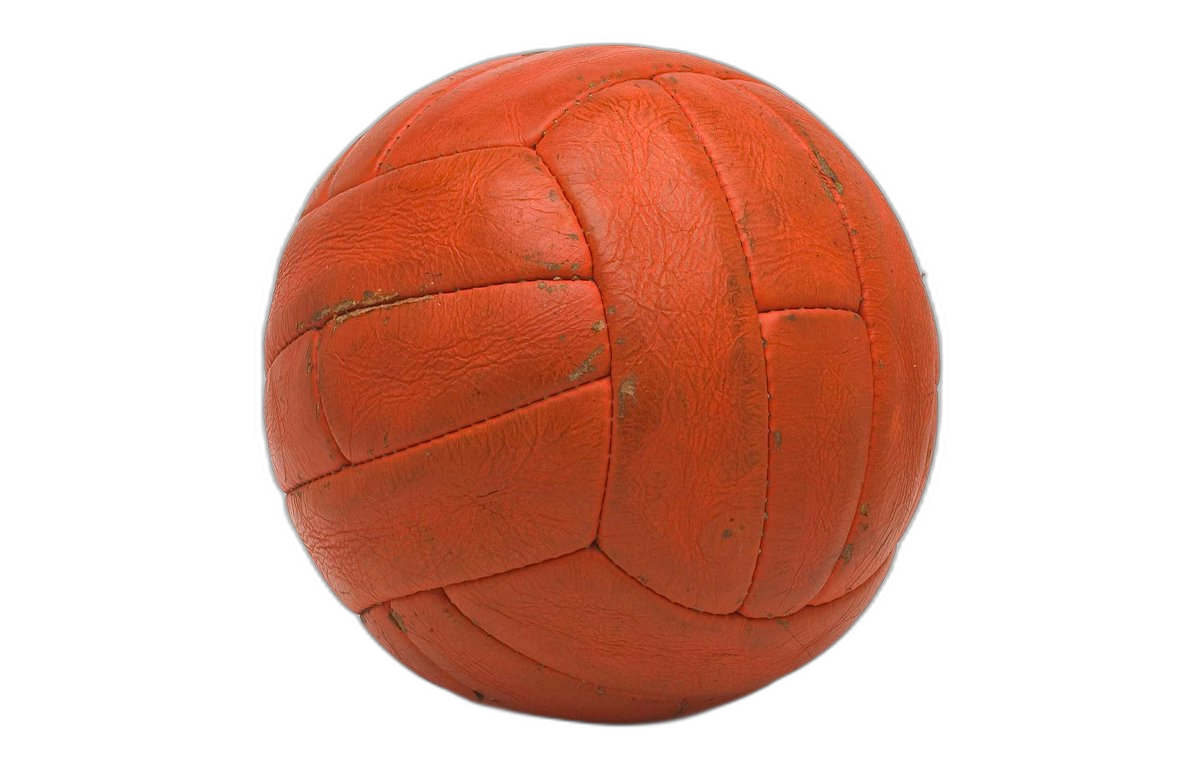
The Slazenger Challenge was a traditional 25-panel English ball with orange and yellow panels for visibility on early colour television. Reliable and well-made, it suited England's direct style. Its weight and predictable flight rewarded Hurst's power and Eusébio's thunderous shooting.

Goals by minute
10 1-15 15 16-30 16 31-45 11 46-60 11 61-75 26 76+
Goals by stage
Group58
QF12
SF3
3rd3
The Squads

England's finest, and football's most infamous

The Contenders

England, as hosts, had Alf Ramsey's Wingless Wonders a revolutionary 4-4-2 that sacrificed width for midfield control. West Germany were powerful and organised. Portugal, led by Eusébio, arrived from Africa's colonial era with a squad that dazzled. Brazil's ageing champions were kicked out of the tournament.

Style & Identity

Ramsey's tactical shift killed the traditional winger and changed English football for decades. Argentina's cynicism against England created a rivalry that would only deepen. North Korea shocked Italy in the group stage. The final's disputed third goal Hurst's shot off the crossbar remains debated sixty years later.

Wingless WondersEusébio's PortugalNorth Korea shock
Golden Ball
Bobby Charlton
England

His driving runs from midfield were the engine of England's campaign. Two goals in the semifinal against Portugal were decisive. His combination of power, elegance, and leadership embodied Ramsey's Wingless Wonders.

Golden Glove
Gordon Banks
England

Banks conceded just one goal in the group stage and was imperious throughout. His positioning, reflexes, and calm authority were the foundation of England's defensive solidity. The best goalkeeper in the world.

Golden Ball
Bobby Charlton
England

His driving runs from midfield were the engine of England's campaign. Two goals in the semifinal against Portugal were decisive. His combination of power, elegance, and leadership embodied Ramsey's Wingless Wonders.

Golden Glove
Gordon Banks
England

Banks conceded just one goal in the group stage and was imperious throughout. His positioning, reflexes, and calm authority were the foundation of England's defensive solidity. The best goalkeeper in the world.

The Legends

Eusébio's tears, Hurst's hat-trick

Stars

Eusébio was the tournament's top scorer with nine goals, his power and technique making him the first African-born superstar of the game. Geoff Hurst scored a hat-trick in the final still the only player to do so. Bobby Charlton's driving runs from midfield were the engine of England's campaign. Beckenbauer, at 20, announced himself as a future great.

Moments

Eusébio's tears after Portugal's semifinal loss to England became one of football's most poignant images. Pak Doo-Ik's goal for North Korea against Italy and the subsequent Italian squad being pelted with tomatoes on their return home was the upset of the century. Hurst's controversial second goal in the final, the ball bouncing off the crossbar and down, has fuelled sixty years of debate.

Eusébio — 9 goalsHurst's hat-trickPak Doo-Ik's upset
16 Participating Nations
This site uses cookies and localStorage for authentication, preferences, and gameplay. No third-party tracking. Privacy Policy