



1930
Uruguay '30
1934
Italy '34
1938
France '38
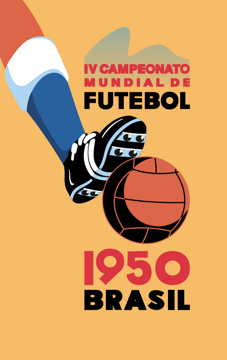
1950
Brazil '50
1954
Switzerland '54
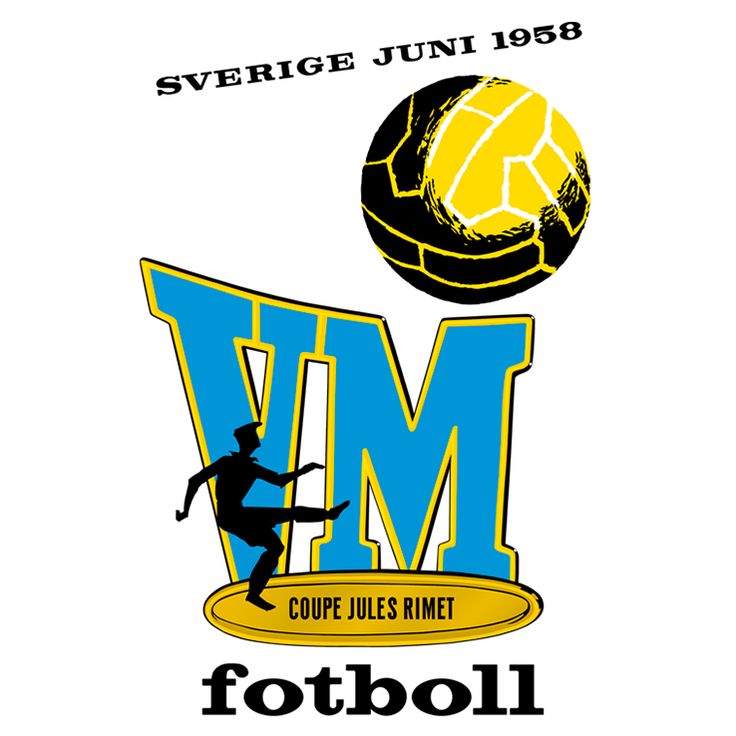
1958
Sweden '58
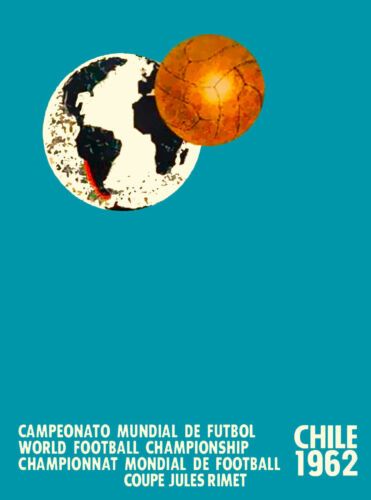
1962
Chile '62
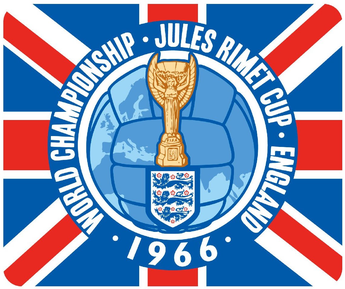
1966
England '66
1970
Mexico '70
1974
West Germany '74
1978
Argentina '78
1982
Spain '82
1986
Mexico '86
1990
Italy '90
1994
United States '94
1998
France '98
2002
Korea Japan '02
2006
Germany '06
2010
South Africa '10
2014
Brazil '14
2018
Russia '18
2022
Qatar '22
2026
USA Canada Mexico '26
2014
Brasil · 2014
FIFA World Cup
12 Jun – 13 Jul 2014 64 matches Brazil '14
👟︎ Golden Boot
James Rodríguez
COL Colombia
⚽︎ Golden Ball
Lionel Messi
ARG Argentina
🧤︎ Golden Glove
Manuel Neuer
DEU Germany
⭐︎ Best Young Player
Paul Pogba
FRA France
DEU Champion

Germany perfect the system

The Campaign

Germany scored 18 goals more than any other team. Their 7-1 demolition of Brazil in the semifinal was the most stunning result in World Cup history, five goals in 18 first-half minutes reducing the host nation to tears. Müller scored five, Kroos controlled every midfield, and Neuer redefined goalkeeping by sweeping 40 yards from his line.

The Final

Argentina, with Messi, Mascherano, and a miserly defence, made it tight. Higuaín missed a golden chance. Palacio chipped over the bar. Messi shot wide. Then, in the 113th minute, Schürrle drove to the byline and cut back. Mario Götze a substitute, on the pitch for 25 minutes controlled the ball on his chest and volleyed it into the net. Germany 1, Argentina 0. Löw's decade-long project was complete. A fourth title, built on collective intelligence.

1-0 final (aet)7-1 semifinalGötze's volley
ARG Runner-up

Messi's Argentina fall agonisingly short

The Journey

Argentina were built around Messi and a defence marshalled by Mascherano's extraordinary reading of the game. They scored 8 goals in the group stage, Messi contributing four. In the knockout rounds they became more defensive beating Switzerland, Belgium, and the Netherlands without conceding a goal. Messi was the tournament's best player but increasingly alone in attack.

The Heartbreak

Higuaín missed a clear chance when through on goal. Palacio chipped over the bar when a simple finish would have scored. Messi shot wide from the edge of the box. Argentina created enough chances to win. Then Götze scored in the 113th minute. Messi walked to collect the Golden Ball the tournament's best player award with the expression of a man who had been given the wrong prize. He wanted the trophy, not the consolation.

1-0 defeat (aet)Higuaín's missMessi's Golden Ball
Top Scorers
1 COL James Rodríguez 6
2 DEU Thomas Müller 5
3 BRA Neymar 4
3 ARG Lionel Messi 4
3 NLD Robin van Persie 4
6 DEU André Schürrle 3
Golden Boot
James Rodríguez

James Rodríguez's six goals won the Golden Boot, his volley against Uruguay winning the Puskás Award for goal of the year. Müller scored five again with his uncanny positional sense. Neymar hit four before injury ended his tournament. Messi scored four in the groups but went quiet when it mattered most.

The World in 2014

Brazil under pressure

Football

Brazil were hosting for the first time since 1950 and spending billions on new stadiums. The weight of expectation was enormous. Spain arrived as defending champions. Germany had been steadily building toward a golden generation. Messi, at 26, was entering his prime years with Argentina.

The World

Protesters had filled Brazilian streets during the 2013 Confederations Cup, demanding investment in healthcare and education instead of stadiums. The political tension was unprecedented for a World Cup. Social media had become a global amplifier for both celebration and outrage.

Street protestsBillions on stadiumsSocial media era
The Venues

Twelve stadiums, twelve controversies

Preparation

Brazil's stadium programme became a symbol of the tournament's tensions. Twelve venues were built or completely rebuilt at a cost exceeding $3 billion, nearly triple the original budget. The Arena Amazônia in Manaus and the Arena Pantanal in Cuiabá were criticised for being located in cities with no top-flight football clubs. Construction delays plagued several sites.

The Venues

The Maracanã, rebuilt from its 200,000-capacity concrete bowl into a modern 75,000-seat arena, hosted the final. The Arena Corinthians in São Paulo was completed just weeks before the opening match. The Estádio Castelão in Fortaleza and the Estádio Mineirão in Belo Horizonte were highly regarded renovations. The Estádio Nacional in Brasília, the most expensive of all, became a bus depot after the tournament.

12 stadiumsMaracanã rebuiltOver $3B spent
Brazil 2014
Brazil 2014
0 matches

Played across 32 teams

48Group8R164QF2SF13rd1Final

The Host Cities

Twelve cities across a continent-sized country

The Cities

Rio de Janeiro, São Paulo, Brasília, Belo Horizonte, Salvador, Fortaleza, Recife, Porto Alegre, Curitiba, Natal, Manaus, and Cuiabá hosted matches. The distances were enormous: Manaus in the Amazon was over 3,000 kilometres from Porto Alegre in the south. Teams faced long domestic flights between matches. Manaus and Cuiabá were controversial choices, located far from Brazil's football heartlands. Training facilities varied widely in quality.

Impact

Brazil spent over $11 billion on the tournament, including airport expansions, urban transit projects, and stadium construction. The economic impact was heavily debated: protesters argued the money should have funded schools and hospitals. Several stadiums became financial burdens for their cities after the tournament. However, airport upgrades in Brasília, Belo Horizonte, and other cities delivered lasting benefits. The World Cup accelerated conversations about public spending priorities that reshaped Brazilian politics.

12 host cities$11B total spend3,000km distances
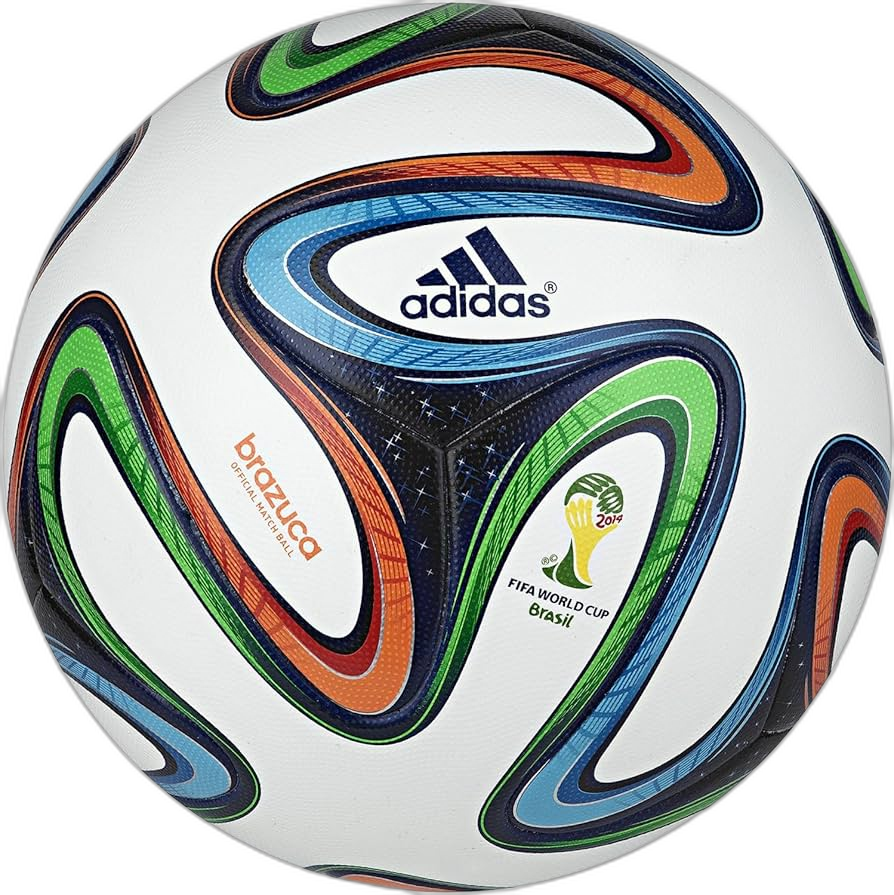
Adidas Brazuca
On the pitch
0 goals

2.67per match

Match Ball
Adidas Brazuca

The Brazuca was Adidas's direct response to the Jabulani disaster. Six textured polyurethane panels with tiny raised dots improved grip and aerodynamic stability. Two and a half years of testing with 600 players produced the most reliable World Cup ball in decades. Players praised its predictable flight. James Rodríguez's volley against Uruguay dipping and swerving exactly as intended was a Brazuca masterpiece.

Goals by minute
18 1-15 25 16-30 18 31-45 27 46-60 32 61-75 51 76+
Goals by stage
Group136
R1618
QF5
SF8
3rd3
Final1
The Squads

Germany's machine, Brazil's collapse

The Contenders

Germany arrived with a squad that blended Bayern Munich's tactical base with brilliant individuals: Müller, Kroos, Özil, Lahm, Neuer. Brazil carried the weight of an entire nation's expectations. Argentina had Messi at 27, in his prime but surrounded by a defensive team. The Netherlands, Colombia, and Costa Rica all exceeded expectations.

Style & Identity

Germany's 7-1 demolition of Brazil in the semifinal was the most seismic result in World Cup history goals arriving so fast the scoreboard seemed broken. Löw's system was the final evolution of the Total Football idea: collective intelligence over individual brilliance. Messi dragged Argentina to the final almost single-handedly but fell short. Götze's volley in extra time sealed German perfection.

7-1 MineirazoMessi's burdenGötze's volley
Golden Ball
Lionel Messi
Argentina

Four goals in the group stage, Golden Ball winner, but exhausted by the final. He dragged Argentina through the knockouts almost single-handedly. The image of him walking past the trophy to collect his individual award wanting the other prize defined his tournament.

Golden Glove
Manuel Neuer
Germany

Redefined goalkeeping by sweeping 40 yards from his line, acting as an extra defender. His rushing out against Algeria saved Germany. His distribution was as important as his saves. He didn't just keep goal he patrolled half the pitch.

Golden Ball
Lionel Messi
Argentina

Four goals in the group stage, Golden Ball winner, but exhausted by the final. He dragged Argentina through the knockouts almost single-handedly. The image of him walking past the trophy to collect his individual award wanting the other prize defined his tournament.

Golden Glove
Manuel Neuer
Germany

Redefined goalkeeping by sweeping 40 yards from his line, acting as an extra defender. His rushing out against Algeria saved Germany. His distribution was as important as his saves. He didn't just keep goal he patrolled half the pitch.

The Legends

James, Müller, and the 7-1

Stars

James Rodríguez scored six goals of extraordinary quality, his volley against Uruguay winning the Puskás Award. Thomas Müller scored five again, his strange, ungainly movement impossible to mark. Messi won the Golden Ball but looked exhausted by the final. Neymar's tournament ended with a fractured vertebra from a knee in the back. Manuel Neuer redefined goalkeeping, sweeping 40 yards from his line.

Moments

Brazil 1-7 Germany. The numbers alone tell the story five goals in 18 first-half minutes, a host nation humiliated in its own stadium, players crying on the pitch, a scoreline that seemed to glitch reality. Tim Howard made 16 saves for the USA against Belgium, the most in any World Cup match since records began. Götze's chest-and-volley winner in the final was the goal of a player who had come off the bench to become immortal.

James — 6 goals7-1 MineirazoNeuer sweeper-keeper
32 Participating Nations
This site uses cookies and localStorage for authentication, preferences, and gameplay. No third-party tracking. Privacy Policy