1930
Uruguay '30
1934
Italy '34
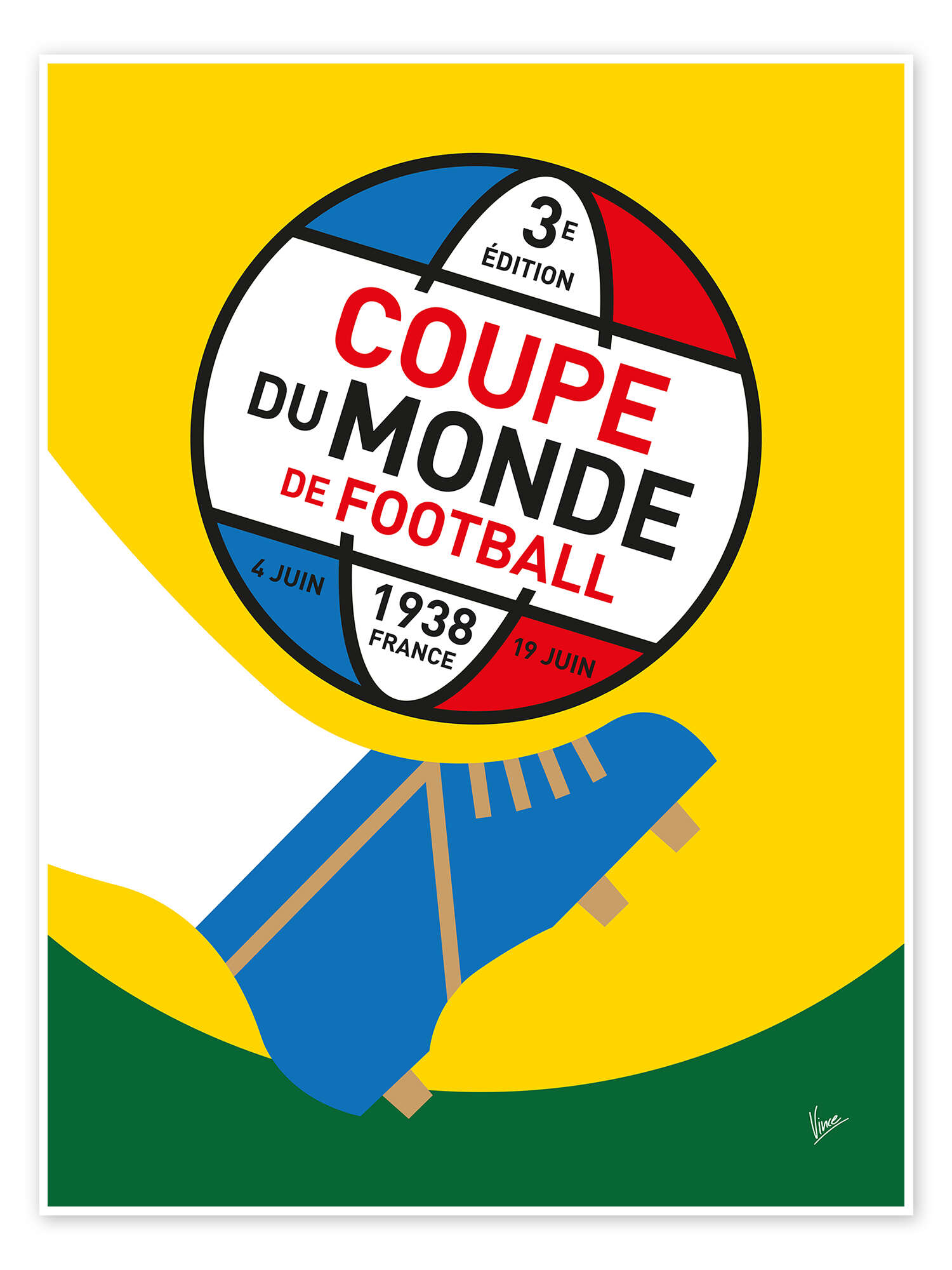
1938
France '38
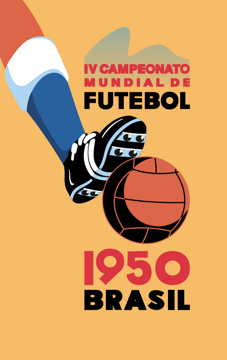
1950
Brazil '50
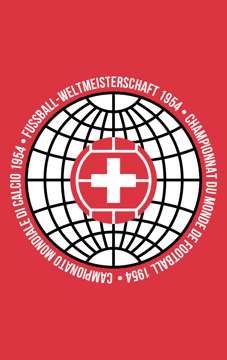
1954
Switzerland '54
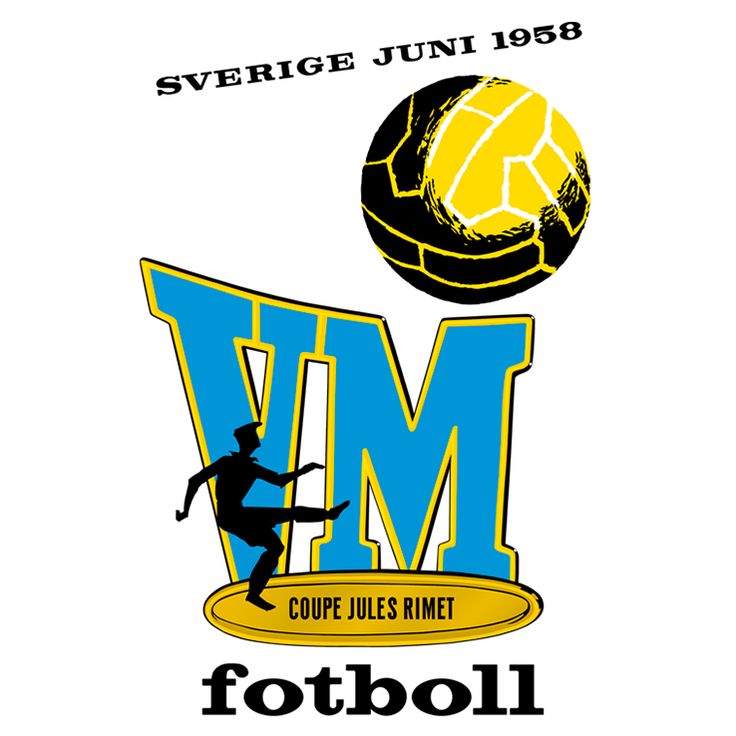
1958
Sweden '58
1962
Chile '62
1966
England '66
1970
Mexico '70
1974
West Germany '74
1978
Argentina '78
1982
Spain '82
1986
Mexico '86
1990
Italy '90
1994
United States '94
1998
France '98
2002
Korea Japan '02
2006
Germany '06
2010
South Africa '10
2014
Brazil '14
2018
Russia '18
2022
Qatar '22
2026
USA Canada Mexico '26
2018
Россия · 2018
FIFA World Cup
14 Jun – 15 Jul 2018 64 matches Russia '18
👟︎ Golden Boot
Harry Kane
ENG England
⚽︎ Golden Ball
Luka Modrić
HRV Croatia
🧤︎ Golden Glove
Thibaut Courtois
BEL Belgium
⭐︎ Best Young Player
Kylian Mbappé
FRA France
FRA Champion

France's new generation delivers

The Campaign

France had the deepest squad in the tournament and played with pragmatic intelligence. Deschamps set them up to defend and counter-attack through Mbappé's devastating pace. They beat Argentina 4-3 in a classic round-of-16 match, then dispatched Uruguay, Belgium, and Croatia. Griezmann, Pogba, and Kanté formed a balanced core. Varane and Umtiti were immovable in defence.

The Final

Croatia had played 90 extra minutes across three knockout rounds and were running on fumes. Mandžukić's own goal and a controversial VAR penalty (Griezmann's free-kick, Perišić's handball) gave France a 2-1 half-time lead. Pogba's curling strike and Mbappé's thunderbolt he was 19, the first teenager to score in a final since Pelé made it 4-1. Mandžukić scored at both ends. France 4, Croatia 2. Deschamps joined Zagallo and Beckenbauer as a winner as both player and coach.

4-2 finalMbappé at 19VAR penalty
HRV Runner-up

Croatia's extraordinary marathon ends in defeat

The Journey

Croatia played 90 minutes of extra time across three consecutive knockout matches against Denmark, Russia, and England winning two on penalties and one in extra time. Modrić was the tournament's best player, controlling every match with a quiet authority. A nation of four million people reached the World Cup final for the first time.

The Heartbreak

Croatia's legs were gone. An own goal and a VAR penalty made it 2-1 at half-time. Pogba and Mbappé extended the lead. Mandžukić pulled one back, then gifted France a sixth with a goalkeeper error. The 4-2 scoreline flattered France but Croatia simply had nothing left to give. They had run further, fought harder, and played more minutes than any other team. In the end, France's fresher legs and Mbappé's pace were decisive.

4-2 defeat3 consecutive extra timesModrić — Golden Ball
Top Scorers
1 ENG Harry Kane 6
2 RUS Denis Cheryshev 4
2 FRA Antoine Griezmann 4
2 BEL Romelu Lukaku 4
2 FRA Kylian Mbappé 4
2 PRT Cristiano Ronaldo 4
Golden Boot
Harry Kane

Kane's six goals won the Golden Boot, though most came from penalties and set pieces. Griezmann scored four and was France's most complete performer. Lukaku hit four for Belgium. Mbappé scored four including two in the final at 19, the first teenager since Pelé to score in a World Cup final.

The World in 2018

Football arrives in Eastern Europe

Football

VAR, video assistant refereeing, would be used at a World Cup for the first time. Germany arrived as defending champions. France had assembled a young, extraordinarily talented squad, with Mbappé just 19 years old. Iceland, with a population of 330,000, had qualified for their first World Cup. Russia's own team was ranked lowest of any host nation in history.

The World

The first World Cup in Eastern Europe arrived amid geopolitical tension. The Skripal poisoning in England, election interference allegations, and Western diplomatic boycotts of the opening ceremony shaped the pre-tournament atmosphere. The tournament's organisation would be widely praised once play began.

VAR debutIceland qualifiedGeopolitical tension
The Venues

Russia builds from Moscow to the Volga

Preparation

Russia spent over $11 billion on the tournament, the most expensive World Cup in history. Six entirely new stadiums were constructed, and five existing venues were significantly renovated. The Luzhniki Stadium in Moscow, originally built for the 1980 Olympics, was completely rebuilt while preserving its historic facade.

The Venues

The Luzhniki, holding 81,000, hosted the opening match and the final. The Krestovsky Stadium in Saint Petersburg, built on an island in the Neva Delta, cost $1.7 billion alone. The Fisht Olympic Stadium in Sochi repurposed the 2014 Winter Olympics venue. Kazan, Samara, Nizhny Novgorod, and Volgograd brought the tournament to the Volga region. Twelve stadiums in eleven cities were used.

12 stadiumsLuzhniki 81,000$11B total spend
Russia 2018
Russia 2018
0 matches

Played across 32 teams

48Group8R164QF2SF13rd1Final

The Host Cities

Eleven cities from Moscow to the Volga

The Cities

Moscow (two venues), Saint Petersburg, Sochi, Kazan, Nizhny Novgorod, Samara, Volgograd, Rostov-on-Don, Yekaterinburg, Saransk, and Kaliningrad hosted matches. The geographic spread stretched from the Baltic exclave of Kaliningrad to Yekaterinburg in the Urals. Teams were based at dedicated training sites across the country. High-speed rail connected Moscow and Saint Petersburg, but travel to Volga cities required flights.

Impact

Russia's $11.6 billion investment was the largest in World Cup history. New airports were built in Rostov-on-Don and Samara. The Moscow metro was expanded. Smaller cities like Saransk and Kaliningrad received infrastructure investment that transformed their connectivity. An estimated 3.4 million spectators attended matches. International perception of Russia shifted during the tournament, with visitors praising hospitality and organisation. Several host cities saw sustained tourism growth in subsequent years.

11 host cities$11.6B invested3.4M spectators
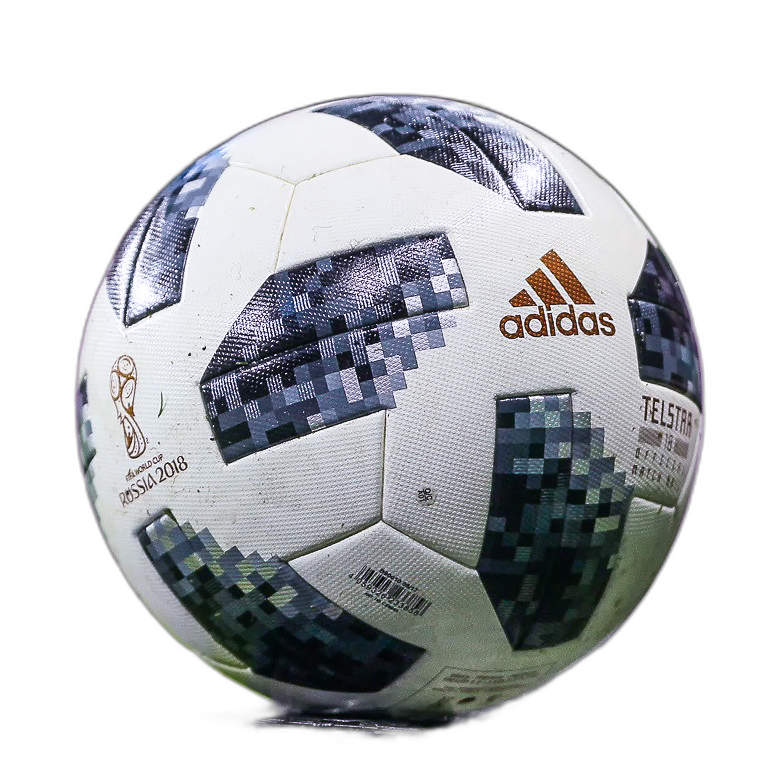
Adidas Telstar 18
On the pitch
0 goals

2.64per match

Match Ball
Adidas Telstar 18

The Telstar 18 was a nostalgia play the same black-and-white panel pattern as the 1970 original, reimagined with six textured panels and a metallic grey-pixel print. An embedded NFC chip allowed fans to interact with content via smartphone. It was beautiful, predictable, and performed well across Russia's varying climates. A fitting ball for VAR's debut technology meeting technology.

Goals by minute
21 1-15 15 16-30 25 31-45 37 46-60 28 61-75 43 76+
Goals by stage
Group122
R1624
QF11
SF4
3rd2
Final6
The Squads

Russia's surprise, France's new generation

The Contenders

France had the deepest squad in the tournament: Mbappé at 19, Griezmann, Pogba, Kanté, Varane, Umtiti. Croatia reached the final through sheer force of will, winning three consecutive knockout matches in extra time or penalties. Belgium's golden generation peaked. Germany, the holders, crashed out in the group stage.

Style & Identity

France's pragmatic efficiency under Deschamps defending deep, striking on the counter through Mbappé's devastating pace was a deliberate inversion of 1998's expansiveness. VAR arrived in the World Cup for the first time, changing the rhythm of matches. Russia's surprise run to the quarter-finals, powered by home support, was the host's best campaign since 1966 England.

Mbappé at 19Croatia's marathonVAR debuts
Golden Ball
Luka Modrić
Croatia

His control of tempo and space orchestrated Croatia's run to the final. Three consecutive extra-time knockout matches, and Modrić was the best player on the pitch in every one. A quiet authority that made a nation of four million believe.

Golden Glove
Thibaut Courtois
Belgium

Won the Golden Glove with performances that carried Belgium to the semifinals. His height, reach, and shot-stopping were exceptional. One of the few consolations for a Belgian golden generation that fell short of the final.

Golden Ball
Luka Modrić
Croatia

His control of tempo and space orchestrated Croatia's run to the final. Three consecutive extra-time knockout matches, and Modrić was the best player on the pitch in every one. A quiet authority that made a nation of four million believe.

Golden Glove
Thibaut Courtois
Belgium

Won the Golden Glove with performances that carried Belgium to the semifinals. His height, reach, and shot-stopping were exceptional. One of the few consolations for a Belgian golden generation that fell short of the final.

The Legends

Mbappé's eruption, Modrić's mastery

Stars

Kylian Mbappé, 19, became the first teenager since Pelé to score in a World Cup final his pace was from another sport entirely. Luka Modrić won the Golden Ball, his control of tempo and space orchestrating Croatia's run to the final. Harry Kane scored six goals to win the Golden Boot, most from penalties and set pieces. Antoine Griezmann was France's most important player, tireless in pressing and clinical in finishing.

Moments

Mbappé's two goals against Argentina in the round of 16 a blur of acceleration that defenders simply could not track announced the next era of football. Modrić and Croatia needed 90 extra minutes across three knockout matches and still reached the final. Germany's group-stage exit as holders shocked the world. South Korea's injury-time goals against Germany in Kazan sealed the defending champions' fate.

Mbappé at 19Modrić — Golden BallKane — 6 goals
32 Participating Nations
This site uses cookies and localStorage for authentication, preferences, and gameplay. No third-party tracking. Privacy Policy