1930
Uruguay '30
1934
Italy '34
1938
France '38
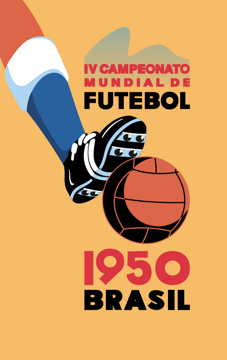
1950
Brazil '50
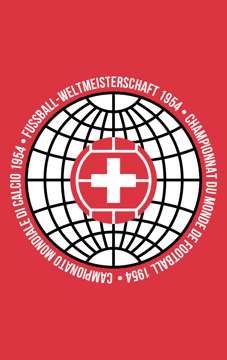
1954
Switzerland '54
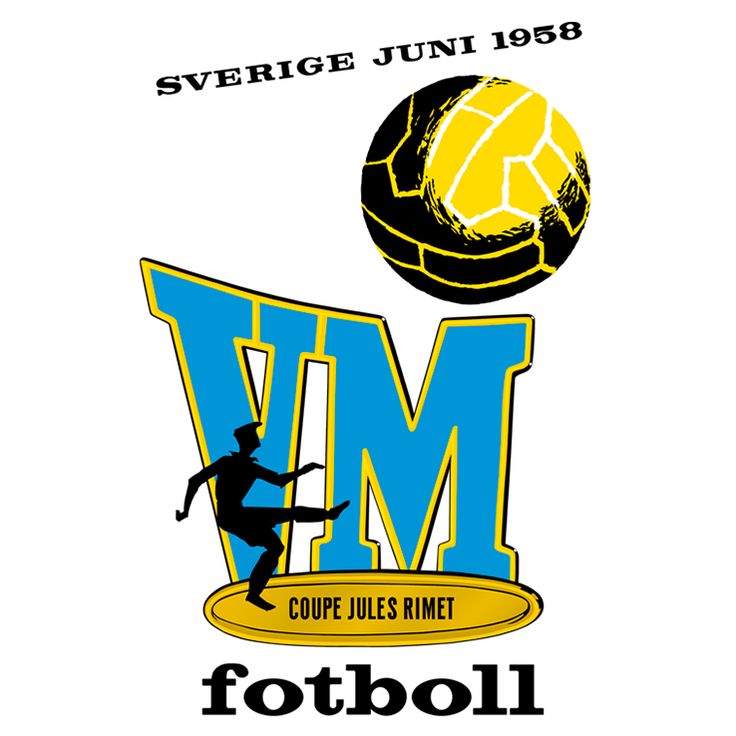
1958
Sweden '58
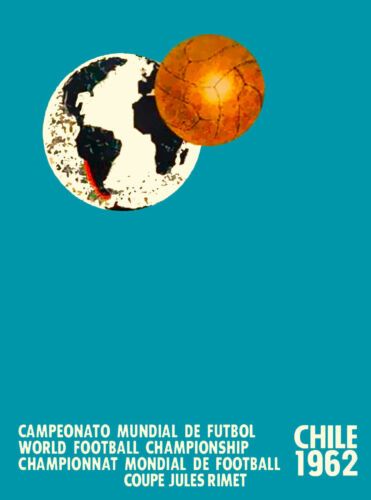
1962
Chile '62
1966
England '66
1970
Mexico '70
1974
West Germany '74
1978
Argentina '78
1982
Spain '82
1986
Mexico '86
1990
Italy '90
1994
United States '94
1998
France '98
2002
Korea Japan '02
2006
Germany '06
2010
South Africa '10
2014
Brazil '14
2018
Russia '18
2022
Qatar '22
2026
USA Canada Mexico '26
2010
Suid-Afrika · 2010
FIFA World Cup
11 Jun – 11 Jul 2010 64 matches South Africa '10
👟︎ Golden Boot
Wesley Sneijder
NLD Netherlands
⚽︎ Golden Ball
Diego Forlán
URY Uruguay
🧤︎ Golden Glove
Iker Casillas
ESP Spain
⭐︎ Best Young Player
Thomas Müller
DEU Germany
ESP Champion

Spain finally break through

The Campaign

Spain lost their opening match to Switzerland and nearly went home. Instead, they won every subsequent game seven consecutive 1-0 victories in a row from the group stage onward. Their possession-based tiki-taka frustrated opponents into submission. Xavi and Iniesta controlled every match. Villa scored five goals. The football was not always exciting, but it was utterly dominant.

The Final

The Netherlands abandoned their principles and played brutally De Jong's karate kick on Xabi Alonso should have been a red card. The match was tight and tense. Howard Webb showed 14 yellow cards. Then, in the 116th minute, Cesc Fàbregas played the ball to Iniesta on the edge of the box. One touch, one shot, one goal. Spain 1, Netherlands 0. Iniesta removed his shirt to reveal a tribute to Dani Jarque, his friend who had died the previous year. The quietest explosion in football history.

1-0 final (aet)Iniesta's winnerSpain's first title
NLD Runner-up

The Netherlands abandon their principles

The Journey

The Netherlands reached the final for the first time in 32 years with a squad that blended experience (Sneijder, Robben, van Persie) with tactical discipline under Bert van Marwijk. They won all six matches before the final. Sneijder scored five goals, and Robben's pace terrified every defence. This was not Total Football it was pragmatic, efficient, and effective.

The Heartbreak

The Netherlands played the most cynical final since 1990. De Jong's karate kick on Xabi Alonso should have been a red card. Robben had two golden chances both saved by Casillas. They committed 28 fouls. In the 116th minute, Iniesta scored the winner. The Dutch had abandoned their footballing identity and still lost. Robben's missed one-on-one with Casillas haunts Dutch football to this day the moment that separated pragmatism from glory.

1-0 defeat (aet)Robben's missed 1v128 fouls committed
Top Scorers
1 NLD Wesley Sneijder 5
1 URY Diego Forlán 5
1 ESP David Villa 5
1 DEU Thomas Müller 5
5 SVK Róbert Vittek 4
5 DEU Miroslav Klose 4
Golden Boot
Wesley Sneijder & Diego Forlán & David Villa

Müller, Villa, Sneijder, and Forlán all scored five, sharing the top of the charts. Forlán won the Golden Ball as tournament MVP his long-range strikes a throwback to a more direct era. Villa was Spain's most reliable finisher. The Jabulani ball's unpredictable flight contributed to cautious shooting across the tournament.

The World in 2010

Africa takes centre stage

Football

South Africa became the first African nation to host the World Cup. Spain had dominated Euro 2008 with tiki-taka but had never won a World Cup despite decades of brilliant players. Brazil and Argentina were considered favourites. The vuvuzela, a plastic horn, was about to become the tournament's inescapable soundtrack.

The World

Sixteen years had passed since the end of apartheid. Nelson Mandela, frail but determined, would be present at the opening ceremony. The global financial crisis of 2008 was still reshaping economies. Unemployment and austerity gripped much of Europe and North America.

First in AfricaMandela's presenceFinancial crisis
The Venues

Africa builds for the world

Preparation

South Africa invested $1.3 billion in stadium infrastructure. Five new stadiums were built, including Soccer City in Johannesburg and the Moses Mabhida Stadium in Durban. Five existing venues were renovated. The construction project was one of the largest infrastructure efforts in African history and generated significant debate about long-term use.

The Venues

Soccer City, redesigned to resemble an African calabash pot, hosted the opening match and the final with 94,000 seats. The Moses Mabhida in Durban featured a dramatic arch visible across the city skyline. The Cape Town Stadium, built against the backdrop of Table Mountain, was one of the most picturesque grounds in World Cup history. Ten stadiums in nine cities were used.

10 stadiumsSoccer City 94,0005 new builds
South Africa 2010
South Africa 2010
0 matches

Played across 32 teams

48Group8R164QF2SF13rd1Final

The Host Cities

Nine cities across the Rainbow Nation

The Cities

Johannesburg (two venues), Cape Town, Durban, Port Elizabeth, Pretoria, Bloemfontein, Polokwane, Rustenburg, and Nelspruit hosted matches. Johannesburg, the economic capital, was the tournament's hub. Cape Town offered Table Mountain as a backdrop. Teams were based across the country, with training facilities upgraded specifically for the tournament. The Gautrain, a new rapid rail link, connected Johannesburg's airport to the city centre for the first time.

Impact

South Africa invested $3.5 billion in transport and infrastructure, including new airports, roads, and the Gautrain. The tournament employed over 130,000 people directly. International tourism during the event exceeded expectations, with 310,000 foreign visitors. Host cities in less-developed regions like Polokwane and Nelspruit received investment they had never seen. The long-term legacy was mixed: some stadiums became maintenance burdens, but the transport and telecommunications infrastructure permanently improved quality of life.

9 host cities310,000 visitorsGautrain legacy
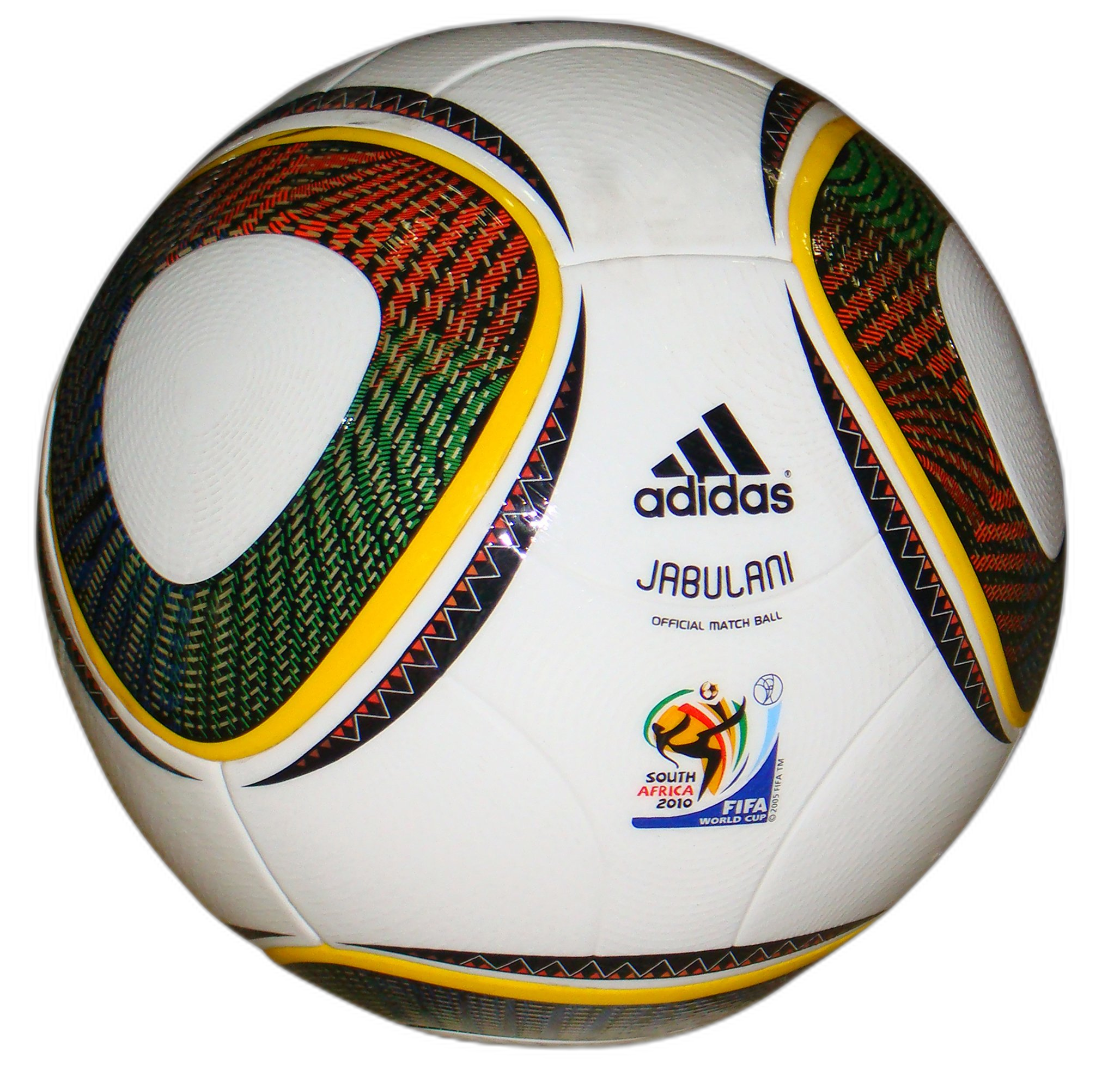
Adidas Jabulani
On the pitch
0 goals

2.27per match

Match Ball
Adidas Jabulani

The Jabulani was the most controversial World Cup ball in history. Its eight thermally bonded 3D panels created such a smooth surface that the ball moved unpredictably in flight knuckling, dipping, and swerving. Goalkeepers were furious. Buffon called it 'a disaster.' Players compared it to a beach ball. It contributed to a low-scoring tournament where long-range shots were lottery tickets.

Goals by minute
14 1-15 22 16-30 21 31-45 22 46-60 28 61-75 38 76+
Goals by stage
Group101
R1622
QF10
SF6
3rd5
Final1
The Squads

Spain's tiki-taka conquers the world

The Contenders

Spain arrived with the European Championship and a Barcelona core that had perfected tiki-taka: Xavi, Iniesta, Busquets, Puyol, Villa, Torres. The Netherlands returned to a World Cup final for the first time since 1978. Germany's young squad, rebuilt after 2006, played breathtaking counter-attacking football. Brazil and Argentina fell early.

Style & Identity

Spain's possession-based football was the culmination of decades of development from Cruyff's influence at Barcelona to Aragonés's Euro 2008 triumph. They won every knockout match 1-0. The vuvuzela's drone became the tournament's sonic signature. South Africa's hosting the first in Africa was a continental triumph. Iniesta's extra-time winner was the quietest explosion in football history.

Tiki-taka peakFirst African hostIniesta's winner
Golden Ball
Diego Forlán
Uruguay

Five goals and the Golden Ball. His long-range strikes were a throwback to a more direct era powerful, accurate, and beautiful. He led Uruguay to the semifinals and was the tournament's most complete player.

Golden Glove
Iker Casillas
Spain

His save from Robben's one-on-one in the final was the moment that separated Spain from heartbreak. Casillas was commanding throughout clean sheets in the knockout rounds, calm under pressure, and decisive when it mattered most.

Golden Ball
Diego Forlán
Uruguay

Five goals and the Golden Ball. His long-range strikes were a throwback to a more direct era powerful, accurate, and beautiful. He led Uruguay to the semifinals and was the tournament's most complete player.

Golden Glove
Iker Casillas
Spain

His save from Robben's one-on-one in the final was the moment that separated Spain from heartbreak. Casillas was commanding throughout clean sheets in the knockout rounds, calm under pressure, and decisive when it mattered most.

The Legends

Iniesta's moment, Forlán's brilliance

Stars

Andrés Iniesta scored the winning goal in the final, the culmination of Spain's tiki-taka revolution. Diego Forlán won the Golden Ball as the tournament's best player, his long-range strikes for Uruguay a throwback to a more direct era. Thomas Müller, 20, scored five goals with an uncanny positional intelligence. David Villa was Spain's most reliable finisher.

Moments

Iniesta's extra-time winner chest control, half-volley past Stekelenburg released a nation's decades of underachievement. Luis Suárez's deliberate handball on the line against Ghana, saving Uruguay and breaking African hearts, was the tournament's most controversial act. Tshabalala's opening goal of the tournament, for South Africa against Mexico, produced the loudest roar the World Cup has ever heard. The Jabulani ball swerved unpredictably, infuriating goalkeepers worldwide.

Iniesta's winnerForlán — Golden BallSuárez handball
32 Participating Nations
This site uses cookies and localStorage for authentication, preferences, and gameplay. No third-party tracking. Privacy Policy