




1930
Uruguay '30
1934
Italy '34
1938
France '38
1950
Brazil '50
1954
Switzerland '54
1958
Sweden '58
1962
Chile '62
1966
England '66
1970
Mexico '70
1974
West Germany '74
1978
Argentina '78
1982
Spain '82
1986
Mexico '86
1990
Italy '90
1994
United States '94
1998
France '98
2002
Korea Japan '02
2006
Germany '06
2010
South Africa '10
2014
Brazil '14
2018
Russia '18
2022
Qatar '22
2026
USA Canada Mexico '26
1978
Argentina · 1978
FIFA World Cup
1 Jun – 25 Jun 1978 38 matches Argentina '78
Grand Final
3rd Place
👟︎ Golden Boot
Mario Kempes
ARG Argentina
⚽︎ Golden Ball
Mario Kempes
ARG Argentina
🧤︎ Golden Glove
Ubaldo Fillol
ARG Argentina
ARG Champion

Argentina triumph amid controversy

The Campaign

Argentina needed to beat Peru by four goals in the second group stage to qualify for the final ahead of Brazil. They won 6-0 a result that remains one of football's most disputed. Mario Kempes was the tournament's driving force, scoring six goals with a relentless forward energy. César Luis Menotti's expansive style gave the squad a philosophy that transcended the regime it played under.

The Final

The Netherlands, without Cruyff, forced extra time. Kempes scored twice once in normal time and a magnificent individual effort in extra time, surging past defenders before finishing. Daniel Bertoni added a third. Ticker-tape confetti fell from every level of the Monumental. Argentina won 3-1. The stadium and streets erupted. The political context would haunt the celebrations, but the football was undeniable.


3-1 final (aet)Kempes — 2 in the finalPeru controversy
NLD Runner-up

The Netherlands return without Cruyff

The Journey

Without Cruyff, who refused to travel, the Netherlands were diminished but still dangerous. Rensenbrink, Rep, and Haan provided flair. They beat Austria, West Germany, and Italy in the second group stage. Reaching a second consecutive final without their greatest player was a testament to the squad's depth and the Total Football philosophy's resilience.

The Heartbreak

Rensenbrink hit the post in the dying seconds of normal time. Had the ball been two inches to the right, the Netherlands would have been world champions. Instead, extra time. Kempes scored twice, Bertoni added a third. The Netherlands lost 3-1, their second consecutive World Cup final defeat. The cruelty was almost theatrical two finals, two defeats, one post that separated them from glory.

2nd consecutive final lossRensenbrink's postNo Cruyff
Top Scorers
1 ARG Mario Kempes 6
2 PER Teófilo Cubillas 5
2 NLD Rob Rensenbrink 5
4 ARG Leopoldo Luque 4
4 AUT Hans Krankl 4
6 BRA Dirceu 3
Golden Boot
Mario Kempes

Kempes scored six including two in the final earning Golden Boot and tournament MVP. His flowing hair and relentless forward drives made him the tournament's icon. Cubillas of Peru and Rensenbrink of the Netherlands each hit five. The ticker-tape confetti at the Monumental framed Kempes as Argentina's folk hero.

The World in 1978

A tournament in the shadow of dictatorship

Football

Johan Cruyff, the best player of his generation, refused to travel for reasons he would keep private for decades. The Netherlands arrived without their talisman. Argentina, the host, had the weight of a regime on their shoulders.

The World

Argentina's military junta, which had seized power in 1976, intended to use the World Cup as a tool of legitimacy. The regime's Dirty War had disappeared tens of thousands of political opponents, some held in detention centres within earshot of the stadiums. International human rights groups called for a boycott. No team withdrew.

Military juntaDirty WarCruyff refused
The Venues

The junta's cathedrals

Preparation

Argentina's military government poured resources into stadium construction as part of its effort to project legitimacy. Three new stadiums were built from scratch: in Córdoba, Mendoza, and Mar del Plata. The Monumental in Buenos Aires, home of River Plate, was renovated and expanded for the final.

The Venues

The Monumental in Buenos Aires, holding 71,000, was the centrepiece. Its ticker-tape atmosphere became iconic. The Estadio Gigante de Arroyito in Rosario and the new Estadio Chateau Carreras in Córdoba were key venues. Six cities hosted across the country, from the capital to the Andean foothills.

6 citiesMonumental 71,0003 new stadiums
Argentina 1978
Argentina 1978
0 matches

Played across 12 teams

24Group13rd1Final

The Host Cities

Argentina from capital to Andes

The Cities

Buenos Aires, Rosario, Córdoba, Mendoza, and Mar del Plata hosted matches. Buenos Aires, the capital, dominated with multiple venues. Rosario, Argentina's second city, and Córdoba, the university town, provided strong footballing traditions. Mendoza, in the Andean foothills, and the coastal resort of Mar del Plata added geographic diversity. Teams were based in hotels selected by the military government.

Impact

The junta invested heavily in host city infrastructure, including roads, telecommunications, and broadcasting facilities. The economic outlay was significant for a country under financial strain. International media attention was a double-edged sword: it brought scrutiny of the regime alongside tourism revenue. The stadium investments benefited Argentine club football for years afterward, but the political cost of the tournament's association with dictatorship was lasting.

5 host citiesJunta investmentMedia scrutiny
Adidas Tango
On the pitch
0 goals

2.68per match

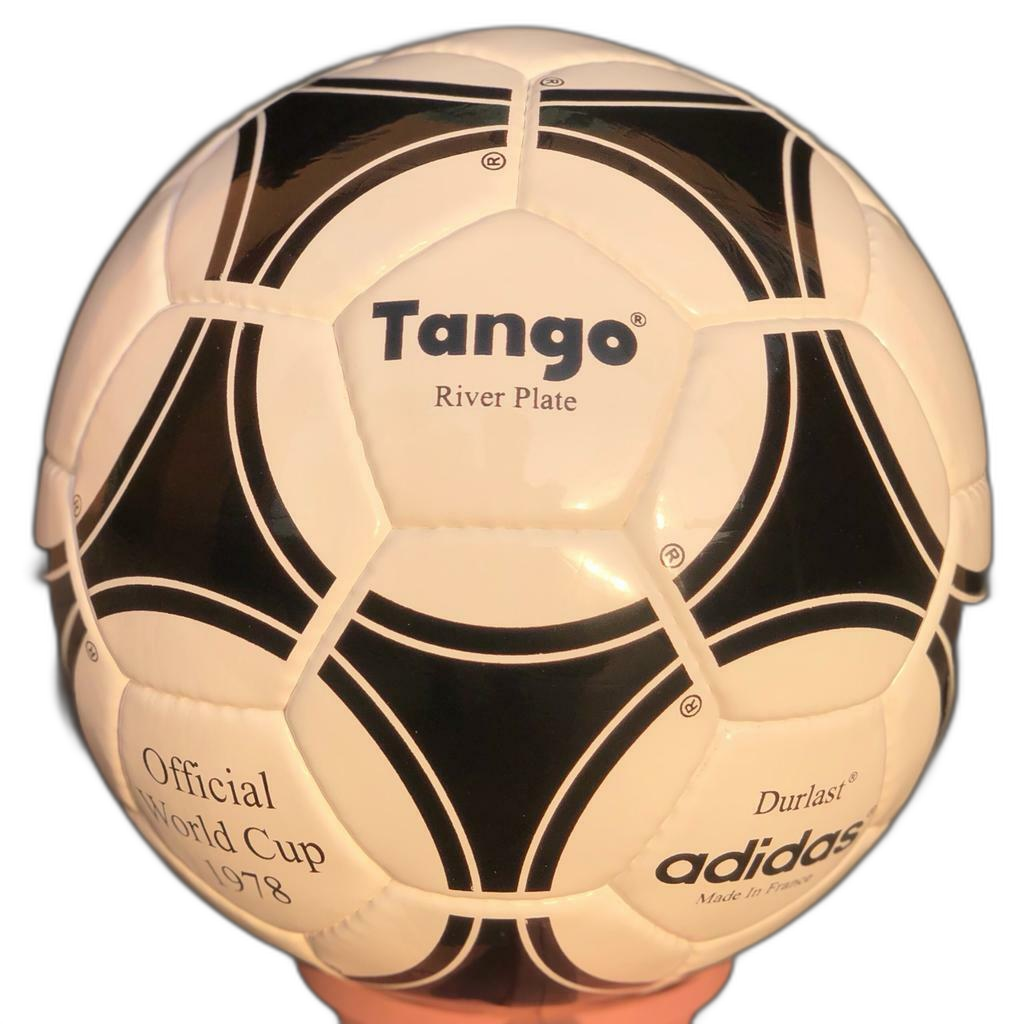
Match Ball
Adidas Tango

The Tango introduced the iconic design of 20 identical panels creating an optical illusion of 12 circles. It was visually stunning the most beautiful World Cup ball ever made by some accounts. Its polyurethane coating improved water resistance. The Tango design would define World Cup balls for the next two decades.

Goals by minute
10 1-15 11 16-30 25 31-45 16 46-60 21 61-75 19 76+
Goals by stage
Group60
2nd Group35
3rd3
Final4
The Squads

A military junta's tournament

The Contenders

Argentina, under César Luis Menotti, played an expansive, attacking style that seemed to contradict the regime they represented. Mario Kempes was their talisman. The Netherlands returned without Cruyff, who refused to travel amid kidnapping fears. Brazil and Peru made up a volatile South American contingent.

Style & Identity

Menotti's Argentina combined South American technical flair with European tactical awareness. Scotland arrived with the most confidence of any British side in decades, then self-destructed in the group stage. The second-round match against Peru a 6-0 Argentine win needed for qualification remains one of football's most controversial results.

Kempes & MenottiCruyff refusesPeru controversy
Golden Ball
Mario Kempes
Argentina

Six goals including two in the final, flowing hair and relentless forward drives. He was the tournament's icon Golden Boot and MVP combined. His extra-time surge through Dutch defenders in the final was unstoppable.

Golden Glove
Ubaldo Fillol
Argentina

Argentina's most reliable performer throughout the tournament. Fillol's saves in the final against the Netherlands particularly from Rensenbrink and Rep kept Argentina alive. He was the quiet hero behind Kempes's headlines.

Golden Ball
Mario Kempes
Argentina

Six goals including two in the final, flowing hair and relentless forward drives. He was the tournament's icon Golden Boot and MVP combined. His extra-time surge through Dutch defenders in the final was unstoppable.

Golden Glove
Ubaldo Fillol
Argentina

Argentina's most reliable performer throughout the tournament. Fillol's saves in the final against the Netherlands particularly from Rensenbrink and Rep kept Argentina alive. He was the quiet hero behind Kempes's headlines.

The Legends

Kempes conquers his country's World Cup

Stars

Mario Kempes was the tournament's outstanding player six goals, flowing hair, and a relentless forward drive that carried Argentina. Rob Rensenbrink came within inches of winning it for the Netherlands in the final, his shot hitting the post in the dying seconds. Teófilo Cubillas scored twice in Peru's upset of Scotland with goals of stunning technical quality.

Moments

Archie Gemmill's wonder goal against the Netherlands a slalom through three defenders is Scotland's greatest ever World Cup moment, rendered bittersweet by their subsequent elimination. Kempes's extra-time surge through Dutch defenders in the final was unstoppable. The ticker-tape confetti at the Monumental became the tournament's visual signature. Rensenbrink's post remains one of football's great what-ifs.

Kempes — 6 goalsGemmill's slalomRensenbrink's post
16 Participating Nations
This site uses cookies and localStorage for authentication, preferences, and gameplay. No third-party tracking. Privacy Policy