
1930
Uruguay '30
1934
Italy '34
1938
France '38
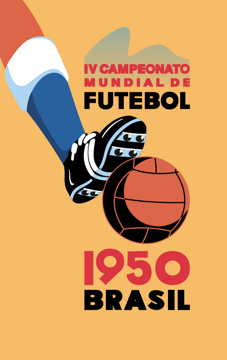
1950
Brazil '50
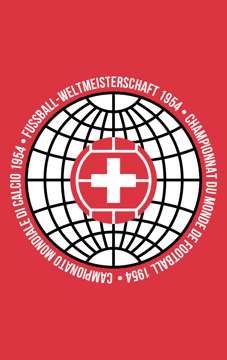
1954
Switzerland '54
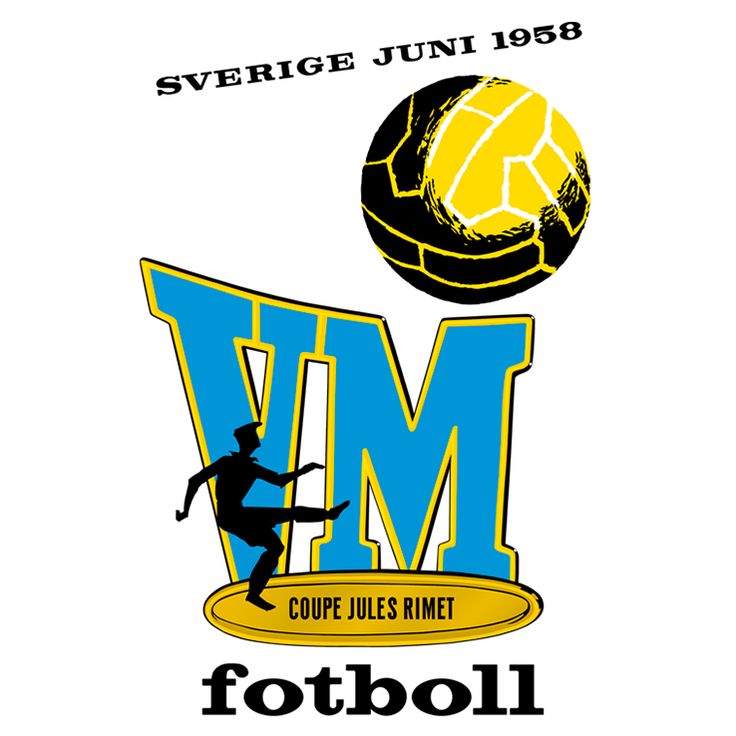
1958
Sweden '58
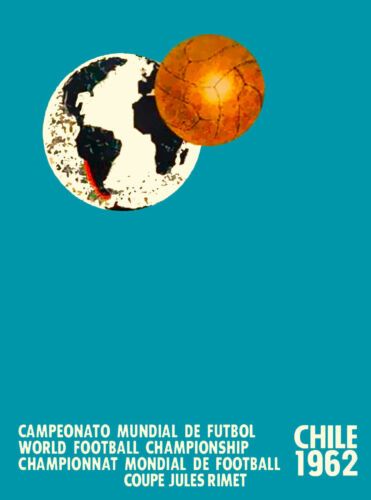
1962
Chile '62
1966
England '66
1970
Mexico '70
1974
West Germany '74
1978
Argentina '78
1982
Spain '82
1986
Mexico '86
1990
Italy '90
1994
United States '94
1998
France '98
2002
Korea Japan '02
2006
Germany '06
2010
South Africa '10
2014
Brazil '14
2018
Russia '18
2022
Qatar '22
2026
USA Canada Mexico '26
1974
Deutschland · 1974
FIFA World Cup
13 Jun – 7 Jul 1974 38 matches West Germany '74
Grand Final
3rd Place
👟︎ Golden Boot
Grzegorz Lato
POL Poland
⚽︎ Golden Ball
Johan Cruyff
NLD Netherlands
🧤︎ Golden Glove
Jan Jongbloed
NLD Netherlands
FRG Champion

West Germany overcome Total Football

The Campaign

West Germany navigated a tricky group that included a defeat to East Germany a politically loaded loss. But Beckenbauer's leadership, Müller's goals, and the collective hunger of a home-nation squad carried them through. They beat Yugoslavia, Sweden, and Poland in the second group stage to reach the final.

The Final

The Netherlands scored a penalty before any West German player had touched the ball Cruyff's driving run into the box had been clinical. But West Germany absorbed the blow, equalised through a Breitner penalty, and Müller scored the winner before half-time a swivelling shot from close range. The Dutch never recovered. Pragmatism had beaten beauty. Müller never played for West Germany again.

2-1 finalMüller's last goalPenalty before kickoff
NLD Runner-up

The Netherlands redefine football and lose

The Journey

The Netherlands played the most revolutionary football the World Cup had ever seen. Total Football every player interchangeable, pressing as a unit, attacking from everywhere. Cruyff was the conductor, Neeskens the enforcer, Rep and Rensenbrink the finishers. They destroyed Argentina 4-0 and Brazil 2-0 in the second group stage. They were the tournament's best team by miles.

The Heartbreak

Neeskens scored a penalty before West Germany had touched the ball. The Dutch were so dominant they seemed to toy with their opponents. But they failed to score a second, and Breitner's penalty and Müller's close-range finish turned the match. The best team lost. Cruyff's genius was not enough. The 1974 Netherlands became the most romantic losers in World Cup history the team everyone remembers more vividly than the winners.

Scored before WG touched ballTotal FootballMost romantic losers
Top Scorers
1 POL Grzegorz Lato 7
2 NLD Johan Neeskens 5
2 POL Andrzej Szarmach 5
4 FRG Gerd Müller 4
4 NLD Johnny Rep 4
4 SWE Ralf Edström 4
Golden Boot
Grzegorz Lato

Lato's seven goals came from pace and movement on Poland's right flank, a winger's Golden Boot. Neeskens scored five, many from midfield surges. Müller scored four including the final's winner his last international goal. The tournament was tighter than 1970, possession football replacing the end-to-end spectacle.

The World in 1974

A divided host and a football revolution

Football

Johan Cruyff and the Netherlands were preparing to introduce Total Football, a fluid, position-swapping philosophy that would challenge every assumption about how the game should be organised. Both East and West Germany had qualified, guaranteeing the only competitive meeting between the two states.

The World

The oil crisis of 1973 had shaken Western economies. The Watergate scandal was consuming American politics. Across South America, military coups were rewriting the political map. West Germany, the host, was still grappling with its divided identity.

Total FootballEast vs West GermanyOil crisis
The Venues

West German efficiency

Preparation

West Germany invested in modernising its football infrastructure. Several stadiums were rebuilt or expanded for the tournament, including the Olympiastadion in Munich, which had been constructed for the 1972 Olympics. Nine cities were selected, with purpose-built or heavily renovated venues.

The Venues

The Olympiastadion in Munich, with its revolutionary acrylic glass canopy designed by Frei Otto, hosted the final. The Rheinstadion in Düsseldorf, the Volksparkstadion in Hamburg, and the Westfalenstadion in Dortmund were among the major venues. The Parkstadion in Gelsenkirchen would later be replaced by the Arena AufSchalke.

9 citiesMunich OlympiastadionFrei Otto canopy
West Germany 1974
West Germany 1974
0 matches

Played across 16 teams

24Group13rd1Final

The Host Cities

West Germany's industrial powerhouses

The Cities

Munich, Berlin (West), Hamburg, Düsseldorf, Dortmund, Frankfurt, Gelsenkirchen, Hanover, and Stuttgart hosted matches. The nine cities were concentrated in West Germany's industrial heartland. Teams were housed in modern hotels and trained at Bundesliga club facilities. The efficient Autobahn network connected all venues. East Berlin, visible from the West Berlin stadium, served as a constant reminder of the divided nation.

Impact

West Germany used the tournament to project economic confidence during the oil crisis era. Host cities invested in transport, hospitality, and public spaces. The Bundesliga benefited from upgraded stadiums. Tourism revenues helped offset the economic downturn. The tournament strengthened West Germany's post-war identity as a prosperous, democratic society and established the country as a model for future tournament hosting.

9 host citiesAutobahn networkOil crisis era
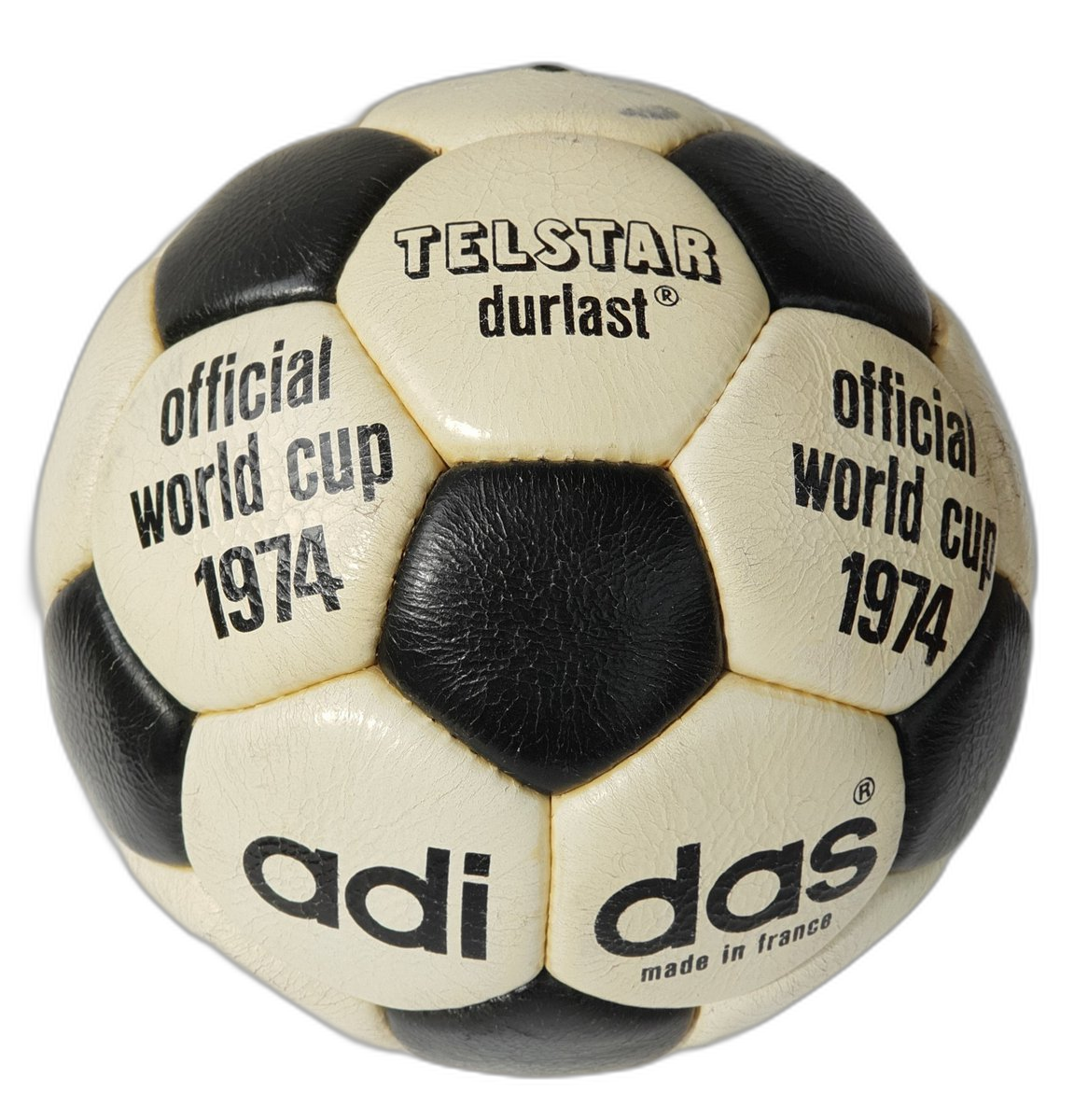
Adidas Telstar Durlast
On the pitch
0 goals

2.55per match

Match Ball
Adidas Telstar Durlast

An evolution of the 1970 Telstar with a waterproof Durlast coating that prevented water absorption. The ball maintained its weight and shape in rain a significant advantage in the muddy conditions of the Dutch and German group matches. The white-with-black-panels design was now firmly established as football's visual identity.

Goals by minute
12 1-15 16 16-30 17 31-45 14 46-60 17 61-75 21 76+
Goals by stage
Group63
2nd Group30
3rd1
Final3
The Squads

Total Football arrives

The Contenders

The Netherlands, under Rinus Michels, played Total Football every player interchangeable, pressing as a unit, attacking from everywhere. Johan Cruyff was the conductor. West Germany, at home, had Beckenbauer, Müller, and Breitner. Poland were the dark horses, with Lato and Deyna. Brazil arrived diminished, their golden generation retired.

Style & Identity

Dutch Total Football was the most radical tactical innovation since Hungary's deep-lying centre-forward. Players rotated positions fluidly. Cruyff's turn against Sweden became iconic. West Germany countered with ruthless efficiency and home advantage. The final was a clash of philosophies: beauty against pragmatism.

Total FootballCruyff TurnPoland's rise
Golden Ball
Johan Cruyff
Netherlands

The conductor of Total Football his movement, vision, and audacity redefined what a footballer could be. The Cruyff Turn entered the lexicon. He lost the final but won football's imagination permanently.

Golden Glove
Jan Jongbloed
Netherlands

An unconventional sweeper-keeper who played far from his line, Jongbloed was the perfect fit for Total Football. His distribution and positioning suited Michels' system perfectly, even if his shot-stopping was occasionally suspect.

Golden Ball
Johan Cruyff
Netherlands

The conductor of Total Football his movement, vision, and audacity redefined what a footballer could be. The Cruyff Turn entered the lexicon. He lost the final but won football's imagination permanently.

Golden Glove
Jan Jongbloed
Netherlands

An unconventional sweeper-keeper who played far from his line, Jongbloed was the perfect fit for Total Football. His distribution and positioning suited Michels' system perfectly, even if his shot-stopping was occasionally suspect.

The Legends

Cruyff, Müller, and the weight of genius

Stars

Johan Cruyff was the tournament's transcendent figure his movement, vision, and audacity redefined what a footballer could be. Gerd Müller scored the winning goal in the final, his last act on the international stage. Grzegorz Lato top-scored with seven goals, leading Poland to third place. Johan Neeskens's early penalty in the final set the tone for Dutch aggression.

Moments

The Cruyff Turn against Sweden a drag-back that sent Jan Olsson stumbling became the tournament's signature move. The Netherlands scored a penalty before West Germany had touched the ball in the final, then lost. Müller's swivelling finish was the goal of a predator, not an artist. Zaire's free-kick wall break against Brazil mystified audiences worldwide.

Cruyff TurnMüller's farewellLato — 7 goals
16 Participating Nations
This site uses cookies and localStorage for authentication, preferences, and gameplay. No third-party tracking. Privacy Policy