

1930
Uruguay '30
1934
Italy '34
1938
France '38
1950
Brazil '50
1954
Switzerland '54
1958
Sweden '58
1962
Chile '62
1966
England '66
1970
Mexico '70
1974
West Germany '74
1978
Argentina '78
1982
Spain '82
1986
Mexico '86
1990
Italy '90
1994
United States '94
1998
France '98
2002
Korea Japan '02
2006
Germany '06
2010
South Africa '10
2014
Brazil '14
2018
Russia '18
2022
Qatar '22
2026
USA Canada Mexico '26
1986
México · 1986
FIFA World Cup
31 May – 29 Jun 1986 52 matches Mexico '86
👟︎ Golden Boot
Gary Lineker
ENG England
⚽︎ Golden Ball
Diego Maradona
ARG Argentina
🧤︎ Golden Glove
Harald Schumacher
FRG West Germany
ARG Champion

Maradona carries Argentina to glory

The Campaign

Argentina's tournament was Maradona's tournament. He scored five goals and assisted five more, but the statistics barely capture his influence. Every attack ran through him. Every opponent built their plan around stopping him. None succeeded. Against England in the quarter-final, he scored both the most infamous and the greatest goals in World Cup history within four minutes.

The Final

West Germany came back from 2-0 down to equalise with seven minutes remaining. The final seemed destined for extra time. Then Maradona threaded a perfect through-ball to Jorge Burruchaga, who ran onto it and finished coolly. Argentina 3, West Germany 2. Maradona was carried off the pitch. It was the most complete individual tournament performance in World Cup history and may never be surpassed.

3-2 finalMaradona 5+5Burruchaga's winner
FRG Runner-up

West Germany's comeback falls one goal short

The Journey

West Germany were efficient and experienced under Franz Beckenbauer, now managing the team he had once captained. Rummenigge and Völler provided goals, Matthäus controlled midfield, and the defence was typically organised. They beat Morocco, Mexico (on penalties), and France to reach their second consecutive final.

The Heartbreak

Argentina led 2-0 through Brown and Valdano. The match seemed decided. But Rummenigge pulled one back, then Völler equalised with eight minutes remaining 2-2. Momentum had swung completely. Then Maradona, who had been quiet, delivered one final act of genius: a through-ball of surgical precision to Burruchaga, who scored the winner. West Germany had fought back from the dead only to be killed by the greatest player alive.

3-2 defeatComeback from 2-0 downMaradona's final assist
Top Scorers
1 ENG Gary Lineker 6
2 BRA Careca 5
2 ESP Emilio Butragueño 5
2 ARG Diego Maradona 5
5 DNK Preben Elkjær 4
5 SUN Ihor Belanov 4
Golden Boot
Gary Lineker

Lineker's six goals won the Golden Boot hat-trick against Poland, two against Paraguay, one against Argentina. Clean, efficient finishing. Maradona scored five and assisted five, but his influence transcended any statistic. Butragueño scored four against Denmark in a single match. Careca contributed spectacular goals for Brazil.

The World in 1986

A broken host, a waiting genius

Football

Colombia was the original host but withdrew due to economic crisis. Mexico stepped in for the second time. Diego Maradona, already considered the best player in the world, was arriving at his peak. England and Argentina had not met since the Falklands War four years earlier.

The World

Mexico City had been devastated by a massive earthquake just months earlier, killing thousands. The Chernobyl nuclear disaster struck in April 1986. The Iran-Iraq war ground on. The Cold War was entering its final chapter, but nobody knew it yet.

Mexico earthquakeChernobylPost-Falklands tension
The Venues

Mexico steps in again

Preparation

After Colombia withdrew as host, Mexico took over with barely three years to prepare. The country had hosted in 1970, so most venues were already proven. The September 1985 earthquake had devastated Mexico City, but the Estadio Azteca survived structurally intact. Twelve stadiums in nine cities were selected.

The Venues

The Azteca hosted the final once more, cementing its status as the only stadium to stage two World Cup finals. The Estadio Universitario in Monterrey, the Estadio Corregidora in Querétaro, and the Estadio Cuauhtémoc in Puebla were key venues. The grounds were familiar, but the atmosphere was charged by a nation rebuilding after disaster.

12 stadiumsAzteca's 2nd finalPost-earthquake
Mexico 1986
Mexico 1986
0 matches

Played across 24 teams

36Group8R164QF2SF13rd1Final

The Host Cities

Mexico rises from the rubble

The Cities

Mexico City, Guadalajara, Monterrey, Puebla, León, Querétaro, Nezahualcóyotl, Toluca, and Irapuato hosted matches. Mexico City, still recovering from the September 1985 earthquake, showed remarkable resilience. Monterrey, the industrial capital of the north, provided modern facilities. Teams trained at club grounds and university campuses. The heat and altitude remained challenging for European squads.

Impact

The tournament served as a symbol of Mexican resilience after the earthquake disaster. International attention and sympathy translated into tourism and goodwill. Host cities received infrastructure investment that aided post-earthquake reconstruction. The economic impact was significant for a country managing both natural disaster recovery and an ongoing debt crisis. Mexico demonstrated its capacity to organise major events under the most difficult circumstances.

9 host citiesPost-earthquake symbolResilience
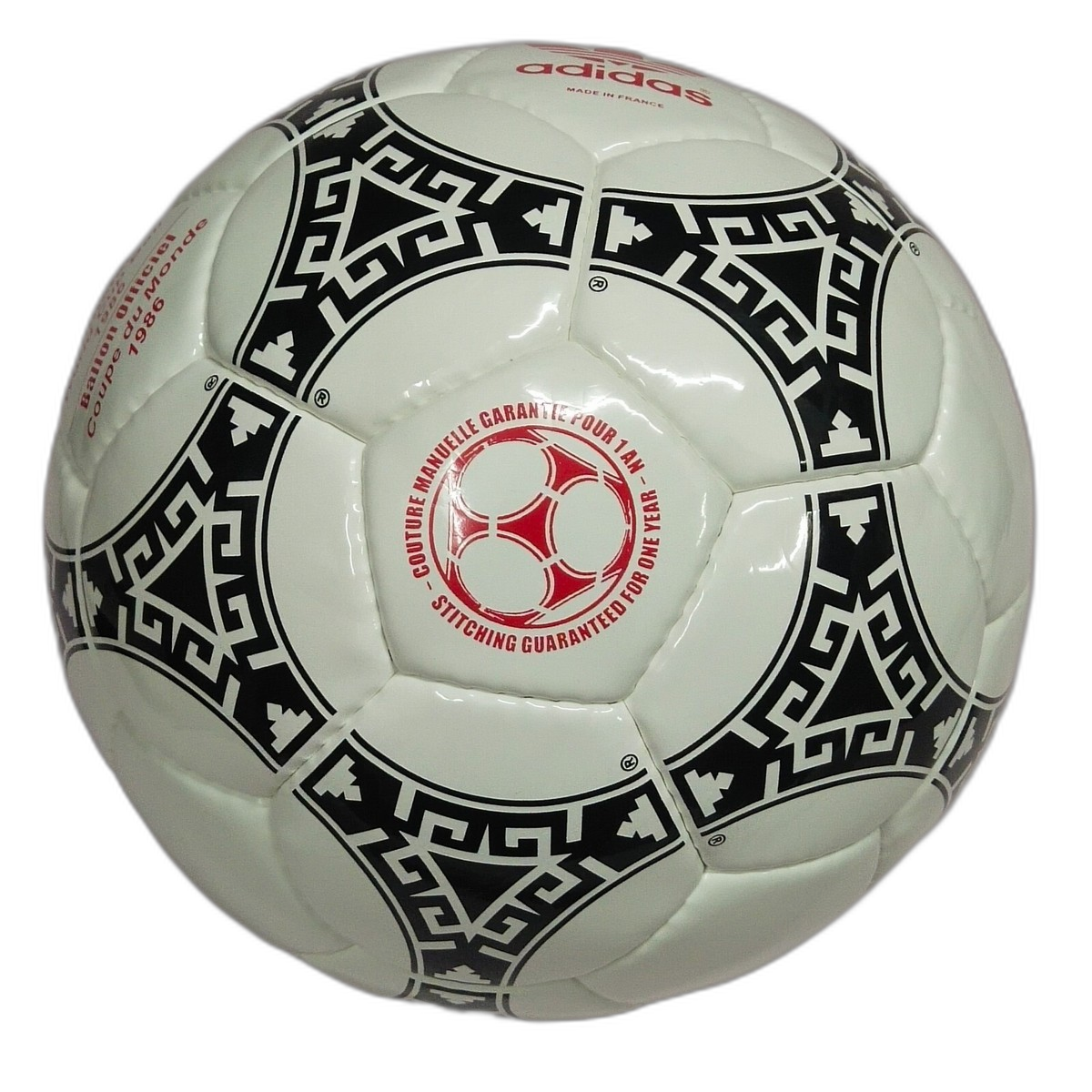
Adidas Azteca
On the pitch
0 goals

2.54per match

Match Ball
Adidas Azteca

The Azteca was the first fully synthetic World Cup ball, ending leather's century-long reign. Its polyurethane surface resisted moisture and maintained consistent weight. The Aztec-inspired decorative pattern honoured the host nation. Maradona's Hand of God and Goal of the Century were both struck with this ball football's most famous five minutes, one object.

Goals by minute
16 1-15 19 16-30 18 31-45 23 46-60 24 61-75 32 76+
Goals by stage
Group84
R1626
QF7
SF4
3rd6
Final5
The Squads

Maradona's World Cup

The Contenders

Argentina had Diego Maradona at his absolute peak the best player in the world by a distance no one has matched since. France brought their elegant midfield back. Brazil were again talented but vulnerable. West Germany, under Beckenbauer now as manager, were steely and experienced.

Style & Identity

Maradona's quarter-final against England produced both the most infamous goal in history (Hand of God) and the greatest (the slalom from his own half). He was the entire tournament's gravitational centre. Denmark's 6-1 destruction of Uruguay and Belgium's semifinal run were side stories. Mexico stepped in as emergency hosts after Colombia withdrew, and delivered superbly.

Hand of GodGoal of the CenturyMexico steps in
Golden Ball
Diego Maradona
Argentina

The single greatest individual tournament performance in World Cup history. Five goals, five assists, and a gravitational pull that warped every match. The Hand of God and Goal of the Century came four minutes apart cheating and genius from the same man.

Golden Glove
Harald Schumacher
West Germany

Despite the Battiston controversy of 1982, Schumacher was one of the tournament's best goalkeepers. His penalty saves against Mexico in the quarter-final were decisive. A brilliant keeper whose reputation never recovered from Seville.

Golden Ball
Diego Maradona
Argentina

The single greatest individual tournament performance in World Cup history. Five goals, five assists, and a gravitational pull that warped every match. The Hand of God and Goal of the Century came four minutes apart cheating and genius from the same man.

Golden Glove
Harald Schumacher
West Germany

Despite the Battiston controversy of 1982, Schumacher was one of the tournament's best goalkeepers. His penalty saves against Mexico in the quarter-final were decisive. A brilliant keeper whose reputation never recovered from Seville.

The Legends

Maradona, and nobody else comes close

Stars

Diego Maradona's tournament is the single greatest individual performance in World Cup history five goals, five assists, and a gravitational pull that warped every match around him. Gary Lineker scored six goals to win the Golden Boot. Emilio Butragueño scored four against Denmark. Michel Platini was fading but still France's conductor.

Moments

The Hand of God and the Goal of the Century came four minutes apart in the same match cheating and genius from the same man. Maradona's run against Belgium in the semifinal was nearly as good as the England goal. Lineker's hat-trick against Poland kept England alive. Josimar's thunderbolt from full-back for Brazil was the tournament's forgotten wonder goal.

Maradona — 5+5Lineker — 6 goalsJosimar's thunderbolt
24 Participating Nations
This site uses cookies and localStorage for authentication, preferences, and gameplay. No third-party tracking. Privacy Policy