
1930
Uruguay '30
1934
Italy '34
1938
France '38
1950
Brazil '50
1954
Switzerland '54
1958
Sweden '58
1962
Chile '62
1966
England '66
1970
Mexico '70
1974
West Germany '74
1978
Argentina '78
1982
Spain '82
1986
Mexico '86
1990
Italy '90
1994
United States '94
1998
France '98
2002
Korea Japan '02
2006
Germany '06
2010
South Africa '10
2014
Brazil '14
2018
Russia '18
2022
Qatar '22
2026
USA Canada Mexico '26
1930
Uruguay · 1930
FIFA World Cup
13 Jul – 30 Jul 1930 18 matches Uruguay '30
👟︎ Golden Boot
Guillermo Stábile
ARG Argentina
⚽︎ Golden Ball
José Nasazzi
URY Uruguay
🧤︎ Golden Glove
Enrique Ballestrero
URY Uruguay
URY Champion

Uruguay silence the doubters

The Campaign

Uruguay cruised through the group stage, beating Peru 1-0 and Romania 4-0. As hosts and Olympic champions, they were expected to dominate and they did. Their defensive solidity and attacking intelligence were a class above. Captain José Nasazzi marshalled a backline that conceded just three goals in the entire tournament.

The Final

Argentina took a 2-1 lead into half-time in front of 68,000 at the Centenary Stadium. Uruguay stormed back with three second-half goals, winning 4-2. Héctor Castro scored the fourth in the closing minutes. The streets of Montevideo erupted. A national holiday was declared the following day. Football had its first world champions.

4-2 final3 goals concededNational holiday declared
ARG Runner-up

Argentina cross an ocean and fall short

The Journey

Argentina were South America's other superpower fast, skillful, and fearless. Guillermo Stábile scored eight goals in four matches, announcing himself as the tournament's most lethal striker. They swept through their group and beat the USA 6-1 in the semifinal. A genuine rivalry with Uruguay fuelled by proximity, pride, and the Río de la Plata made the final inevitable.

The Heartbreak

Argentina led 2-1 at half-time and seemed poised to lift the trophy. But Uruguay's second-half response was overwhelming three goals without reply. The loss stung deeply. Argentine fans stoned the Uruguayan consulate in Buenos Aires. Diplomatic relations were briefly suspended. The wound would take decades to heal.

Stábile — 8 goals2-1 up at HTDiplomatic fallout
Top Scorers
1 ARG Guillermo Stábile 8
2 URY Pedro Cea 5
3 USA Bert Patenaude 4
4 ARG Carlos Peucelle 3
4 YUG Ivan Bek 3
4 URY Peregrino Anselmo 3
Golden Boot
Guillermo Stábile

Stábile wasn't in the starting XI for the opener. Once selected, he scored eight goals in four matches with predatory finishing that set the standard. No official Golden Boot existed yet, but his instinct in the box defined what a tournament striker could be. Uruguay's Héctor Castro and Pedro Cea provided the goals from the champion's side.

The World in 1930

The world had never seen anything like it

Football

The game had been an Olympic sport for decades, but a standalone world championship was a radical idea. FIFA president Jules Rimet spent years lobbying for it. Uruguay, reigning Olympic champions, offered to pay every team's travel expenses and build a new stadium from scratch. Only 13 nations entered.

The World

Uruguay was celebrating its centenary of independence. The Great Depression had crippled European economies, and only four European nations made the two-week boat journey across the Atlantic. The tournament was as much a diplomatic experiment as a sporting one.

13 nationsGreat DepressionJules Rimet's vision
The Venues

Built for a centenary

Preparation

Uruguay committed to building the Estadio Centenario from scratch to mark the nation's 100th birthday. Construction ran behind schedule due to Montevideo's winter rains, and the stadium was not ready until five days into the tournament. The first matches were played at the smaller Estadio Pocitos and Estadio Parque Central instead.

The Venues

The Centenario, with a capacity of 90,000, was the centrepiece. Its concrete bowl was a feat of engineering for the era. Parque Central, home of Nacional, hosted the very first World Cup match. Only three stadiums were used across the entire tournament, all in Montevideo.

3 stadiumsCentenario 90,000All in Montevideo
Uruguay 1930
Uruguay 1930
0 matches

Played across 9 teams

15Group2SF1Final

The Host Cities

One city, one story

The Cities

Every match was played in Montevideo. The Uruguayan capital, a port city of 650,000 on the Río de la Plata, served as the sole host. Teams were housed in hotels in the city centre and trained at local club grounds. The concentration gave the tournament an intimate, festival atmosphere that later editions, spread across entire nations, would never replicate.

Impact

Montevideo's economy received a significant boost from visiting delegations and the international press corps. The Centenario stadium became a permanent landmark and national symbol. The tournament put Uruguay on the global map far beyond South America and established football as a vehicle for national prestige. For a small country, the investment paid dividends in identity and pride for generations.

1 host city650,000 populationNational symbol
Tiento / T-Model
On the pitch
0 goals

3.89per match

Match Ball
Tiento / T-Model

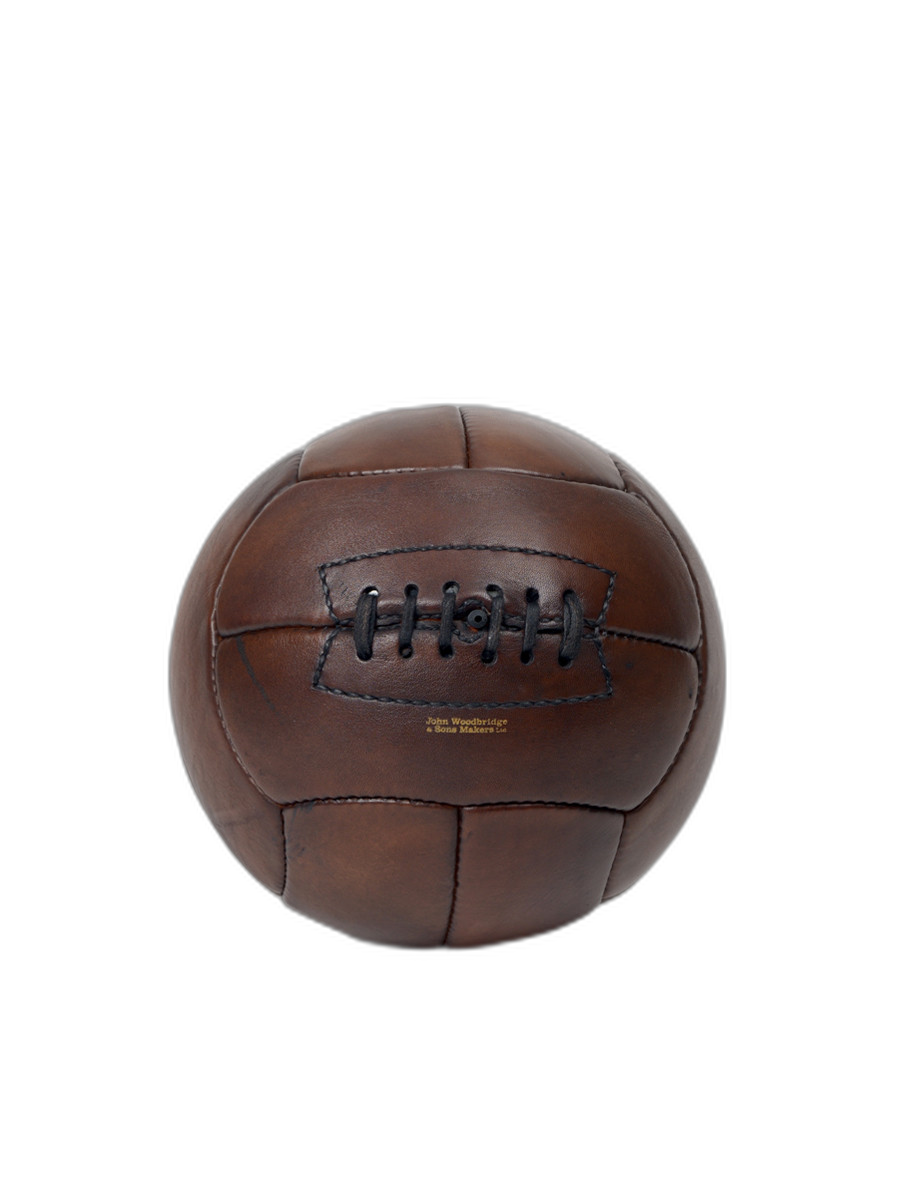
Two different balls were used Argentina's Tiento in the first half of the final and Uruguay's larger T-Model in the second. Both were hand-stitched leather with visible lacing, heavy when wet, and painful to head. The dispute over which ball to use in the final was settled by using one per half.

Goals by minute
10 1-15 11 16-30 10 31-45 9 46-60 16 61-75 14 76+
Goals by stage
Group50
SF14
Final6
The Squads

Thirteen nations, one boat ride apart

The Contenders

Uruguay, the reigning Olympic champions, entered as overwhelming favourites on home soil. Argentina brought a fearsome attack led by Guillermo Stábile and a deep rivalry with the hosts. The four European teams France, Belgium, Romania, and Yugoslavia arrived exhausted after two weeks at sea.

Style & Identity

South American football already favoured dribbling, close control, and individual brilliance. European sides relied on physicality and directness. The collision of these philosophies would define the first World Cup and set a pattern that persists to this day.

4 European sidesSouth American flairUruguay favourites
Golden Ball
José Nasazzi
Uruguay

Uruguay's captain marshalled the defence with commanding authority and led by example in every match. His leadership in the final rallying the team after going behind was decisive. The tournament had no official MVP award, but Nasazzi was its natural leader.

Golden Glove
Enrique Ballestrero
Uruguay

Uruguay's keeper was composed and decisive behind a defence that conceded only three goals in four matches. No official award existed, but his calm presence between the posts was essential to the first title.

Golden Ball
José Nasazzi
Uruguay

Uruguay's captain marshalled the defence with commanding authority and led by example in every match. His leadership in the final rallying the team after going behind was decisive. The tournament had no official MVP award, but Nasazzi was its natural leader.

Golden Glove
Enrique Ballestrero
Uruguay

Uruguay's keeper was composed and decisive behind a defence that conceded only three goals in four matches. No official award existed, but his calm presence between the posts was essential to the first title.

The Legends

Stábile, Nasazzi, and the first legends

Stars

Guillermo Stábile scored eight goals in four matches to become the first Golden Boot winner despite not being selected for the opening game. José Nasazzi, Uruguay's captain, was a commanding defender who marshalled the backline with an authority that made him the tournament's natural leader.

Moments

Héctor Castro, who had lost part of his right forearm in a childhood accident, scored Uruguay's fourth goal in the final earning the nickname El Manco, the one-armed man. Lucien Laurent of France scored the very first World Cup goal in history. These men became myths before football had a language for stardom.

First Golden BootFirst ever goalCastro's story
13 Participating Nations
This site uses cookies and localStorage for authentication, preferences, and gameplay. No third-party tracking. Privacy Policy